A new melanoma vaccine has been shown to significantly reduce the risk of dying from skin cancer, according to scientists who described the development as a 'pivotal moment' in cancer research. The jab, known as mRNA-4157 (V940), is custom-built for each patient in just a few weeks and works by instructing the body to hunt down cancer cells and prevent the disease from returning.
Phase Three Trial Results Show 49% Reduction in Recurrence Risk
The vaccine was developed by pharmaceutical companies Moderna and Merck (known as MSD in the UK). Results from a phase three trial involving more than 1,000 patients showed that the jab, in combination with MSD’s immunotherapy Keytruda, resulted in a 49% reduction in the risk of recurrence or death. The findings also demonstrated a 59% reduction in the risk of distant metastasis—where cancer spreads to a different organ or tissue—or death.
British patients were among the first in the world to be enrolled in the latest trial at University College London Hospitals NHS Foundation Trust (UCLH). The jab carries coding for up to 34 neoantigens, which are markers on the tumour that can be recognised by the immune system, and activates an anti-tumour immune response based on the unique mutations in a patient’s cancer.

Personalised Vaccine Created Using AI and DNA Sequencing
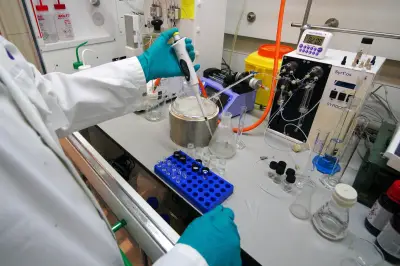
To create the jab, a sample of the tumour is removed during surgery, followed by DNA sequencing and the use of artificial intelligence. This process produces a personalised anti-cancer vaccine specific to the patient’s tumour. NHS data for England shows that if melanoma—which claims about 2,600 lives a year across the UK—reaches stage 4, only about a quarter of patients survive for five years.
Experts hailed the results as a breakthrough, stating that the findings provide 'proof of principle that personalised cancer vaccines work' and that the technology could be applied to other cancers, such as lung, bladder, and bowel cancer.
Experts Call Results a 'Pivotal Moment' for Cancer Research
Dr Lennard Lee, consultant medical oncologist, associate professor, and senior national clinical adviser on cancer vaccines at the University of Oxford, said: 'These findings are significant. This is the first positive phase three trial of an individualised neoantigen therapy and an mRNA-based cancer treatment.' He added: 'This was a large phase three randomised trial involving 1,137 patients with surgically removed, high-risk melanoma, and the trial met its primary endpoint.'
Stephane Bancel, chief executive of Moderna, said: 'These phase three findings represent a pivotal moment for the field of cancer research. For many years, the idea of creating an mRNA treatment designed specifically for an individual patient’s cancer was aspirational. We are now helping turn that vision into a reality.' The jab could be available on the NHS as soon as next year, if approved by regulators. Shares in Moderna lifted by as much as 155% in the US after the announcement, while MSD shares were around 10% higher.