A great-grandmother from North Yorkshire has become the first person in the United Kingdom to receive a pioneering treatment for liver cancer, shrinking a tumour previously deemed untreatable by 80 percent.
Diagnosis and Initial Prognosis
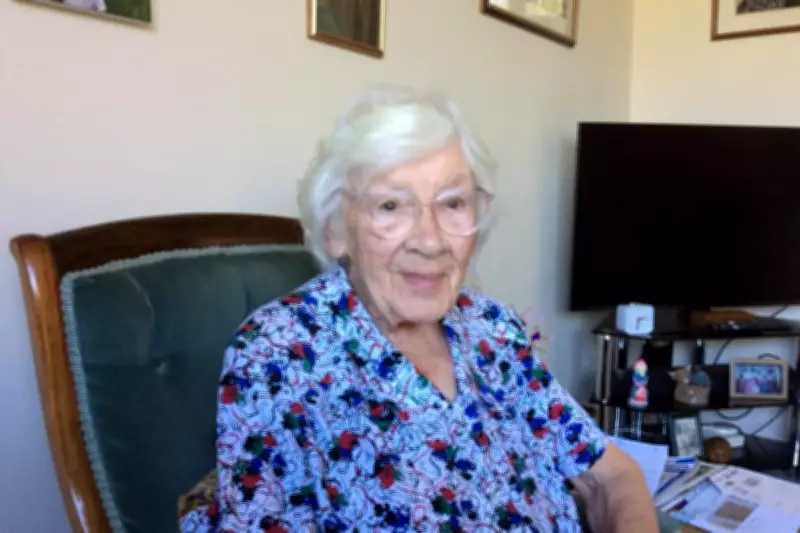
Brenda Iveson, 92, from Harrogate, was diagnosed with a six-centimetre liver tumour in late 2025. Due to the tumour's location and her frailty, standard treatments such as surgery, chemotherapy, and radiotherapy were ruled out. Mrs Iveson was told that nothing could be done.
Pioneering Procedure at Leeds Teaching Hospitals
However, medics at Leeds Teaching Hospitals NHS Trust offered her a minimally invasive procedure known as robotic-guided electrochemotherapy. This technique combines a small dose of chemotherapy with targeted electrical pulses. Surgeons used robotic needle guidance to precisely place needles around the tumour, a UK first for liver cancer treatment.

Professor Tze Min Wah, research and innovation lead for the interventional oncology programme at Leeds Teaching Hospitals NHS Trust and professor of interventional radiology at the University of Leeds, identified that this novel approach could offer hope. The robotic guidance improved accuracy, especially for tumours in complex or hard-to-reach areas.
The procedure was performed under general anaesthetic and does not use heat, allowing safe treatment near vital structures like blood vessels and bile ducts.
Patient's Experience and Outcome
Mrs Iveson said: "I had been told there was nothing that could be done. So to be offered this treatment gave me real hope. I'm so glad I went ahead — it wasn't painful or debilitating, and I feel very well."
Current scans show her tumour is stable, and she is being closely monitored. The tumour has shrunk by approximately 80 percent.
Expert Commentary
Professor Wah stated: "This treatment allowed us to offer an option where there would otherwise have been none. The addition of robotic guidance improves precision and opens up new possibilities, particularly for patients with tumours in difficult locations or who are not suitable for other treatments."
She added: "Introducing robotic guidance really helped with this particular case, the needles provided more accurate placement and made the treatment times shorter – she is the UK first for the robotic guidance to insert the electrode chemotherapy needles into the tumour for treatment."
Research Context
Leeds Teaching Hospitals NHS Trust is currently the only hospital in the UK delivering liver cancer electrochemotherapy as part of a European research study. The study assesses the safety and efficacy of the treatment for patients with liver cancer, examining survival, quality of life, and pain impact.
Patient's Perspective on Research
Mrs Iveson, who has been happily married for 70 years, said: "Research may offer real results when there are no other options. You're looked after so well, and it's how medicine moves forward. If it helps me and future patients, then it's worth it."
She concluded: "We are all happy that something could be done that might prolong my life and which was not painful or debilitating in any way. It seems to be a very effective treatment and particularly useful in older patients who are frail."