Renowned photographer Rankin, known for portraits of Madonna, David Bowie, and the late Queen Elizabeth II, has turned his lens to a new subject: scientists battling one of the world's deadliest diseases. The legendary photographer captured portraits of three leading malaria researchers to spotlight efforts to eliminate the disease and save millions of lives.
His subjects include a British immunologist working on a second-generation vaccine against severe malaria, the vice president of a not-for-profit making antimalarial drugs available, and a medical entomologist at the Ifakara Health Institute in Tanzania. The photoshoot, organized by charity Malaria No More UK, brought together British scientists and overseas colleagues to highlight the UK's leading role in global efforts to defeat malaria.
UK's Leading Role in Malaria Fight
Gareth Jenkins, managing director of Malaria No More UK, said the UK has played a leading role in the fight against malaria, which "represents what we do best as a country in terms of science and innovation." He added: "I don't think we celebrate it nearly enough. Our network of world-leading universities and top pharmaceutical companies, paired with partnerships with experts around the world has meant we've led the way on developing new innovations against malaria."

Campaigners note that research into global diseases has "ripple effects" for high-income countries. For example, an ingredient developed to boost a malaria vaccine (the AS01 adjuvant) is now used in vaccines for respiratory syncytial virus and tuberculosis. Jenkins said: "It's more important than ever that the Government does everything in its power to protect this status as the fight against malaria faces a perfect storm of threats."
The Malaria Modifier: Dr. Dickson Wilson Lwetoijera
Dr. Dickson Wilson Lwetoijera, principal research scientist at the Ifakara Health Institute and co-director of the Transmission Zero Programme, said: "I want to end this disease for good, consign it to history so that children once at risk might one day tell their grandchildren of a disease of the past." His work focuses on making malaria-carrying mosquitoes resistant to the malaria parasite using 'gene drive' technology, which allows modified mosquitoes to pass resistance to their offspring. This could mean wild mosquito populations lose the ability to transmit the disease entirely. "It's impossible to exaggerate what a huge achievement that would be. For me, it'd be up there with landing on the moon!" Lwetoijera said. He and his team work from a shipping container housing a state-of-the-art lab, collaborating with scientists from Imperial College London and local communities in Tanzania.
The Vamped-Up Vaccine Maker: Professor Katie Ewer
Professor Katie Ewer, second generation malaria programme lead at GSK, said: "It's a thrilling time to be a malaria scientist. Breakthrough moments are rare but I feel like we're seeing more of them." She noted that it took over 35 years to have any vaccines available, but progress is speeding up. There are now two vaccines reaching tens of millions of children in more than 20 countries in Africa. At GSK, Ewer is developing new options to target the later stage of malaria when young children become most unwell. "My dream is that vaccines, as part of a toolbox of innovations, help stop malaria for good so that all children have the same to reach their full potential," she said.
The Drug Developer: Cristina Donini
Cristina Donini, executive vice president of research and development at Medicines for Malaria Venture (MMV), said her journey began when she volunteered with a small charity in Kenya. Her work focuses on developing next-generation drugs, including a single-dose treatment to prevent relapse introduced in Brazil earlier this year. "The UK also plays a really important role in all of this. British-backed scientists are very often at the forefront of new breakthroughs," Donini said. She added that the malaria parasite and mosquitoes have adapted to evade existing tools, making continued research essential.

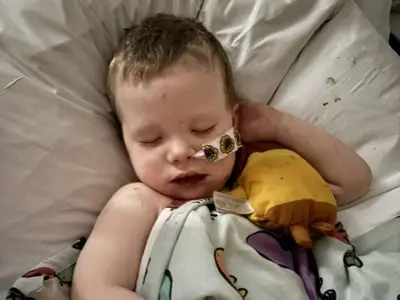
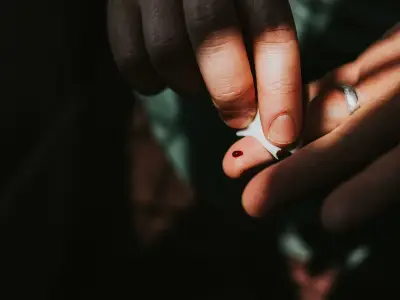
The campaign comes at a crucial moment when the field faces a perfect storm including resistance to existing tools and sweeping funding cuts for global health initiatives. Malaria still kills a child every minute, according to the World Health Organization. Jenkins urged the government to protect the UK's status as a leader in malaria research, which bolsters health security and economic stability at home and abroad.