

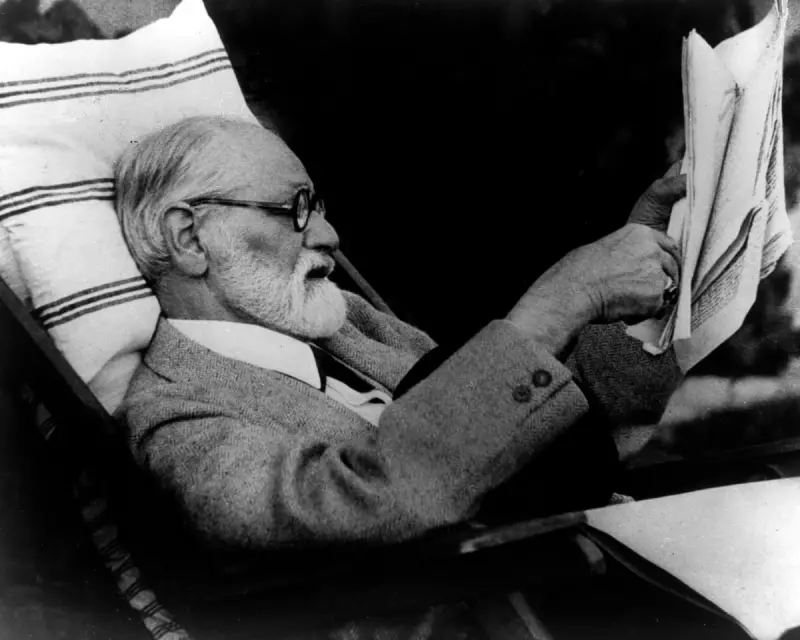
In a compelling critique of contemporary psychotherapy, prominent psychologists have raised fundamental questions about the field's persistent resistance to scientific scrutiny and its continued reliance on outdated frameworks that pathologise human nature rather than focusing on human potential.
The Scientific Curiosity Deficit in Psychotherapy
Dr James Taylor, responding to Professor Raymond Tallis's review of Mark Solms's book The Only Cure, highlights what he describes as "the lack of curiosity that is so striking in psychotherapy." He notes the field's contradictory position: while presenting itself as deeply interested in understanding people, it simultaneously maintains that "it works" while insisting that "research can't be done."
This resistance to scientific investigation stands in stark contrast to how other disciplines approach knowledge generation. As Dr Taylor observes, "Creativity and imagination, as found in active scientific fields, would suggest designing trials of psychodynamic psychotherapy versus talking to an untrained person; or therapy versus a weekly gym membership; or long versus short therapy."

Practical Research Possibilities Being Ignored
The psychologist outlines numerous research avenues that remain unexplored:
- Psychodynamic psychotherapy compared to conversations with untrained individuals
- Therapeutic interventions versus regular gym attendance
- Extended therapy sessions contrasted with shorter treatment durations
- Traditional therapy measured against evening education classes
- Treatment effectiveness compared to waiting list controls
- Therapy outcomes versus direct cash transfers in our current economic climate
"Generating these ideas is not hard," Dr Taylor notes. "Implementing them requires discipline." He emphasises that curiosity, creativity and discipline built upon existing knowledge form the essential foundations of science – principles that should be "eminently applicable to psychology."
The Fundamental Question Being Avoided
Grendon Haines, drawing on more than fifty years of applying Adlerian psychology in therapeutic settings, argues that the entire debate about whether neuroscience has vindicated Sigmund Freud misses the crucial point. "Whether brain imaging confirms Freudian hypotheses or psychoanalysis meets clinical trial criteria doesn't address the fundamental question: does this approach help people live more fulfilling, socially connected lives?"
Adler's Alternative Framework
Haines contrasts Solms's deterministic framework, which positions individuals as "passive victims of their buried past," with Alfred Adler's century-old recognition that "we are not prisoners of early experiences but active interpreters of them, capable of reconstructing meaning through insight and choice."
What Haines finds particularly striking about Solms's defence is "what's absent: any consideration of community, social contribution, or cooperative relationships." He describes the Freudian focus as "relentlessly introspective – internal drives, buried conflicts, aggressive impulses," characterising this approach as "possessive individualism" where "the atomised self wrestles with internal demons rather than a social being finding meaning through connection and contribution to others."
A Call for Paradigm Shift
Both contributors challenge the psychotherapy establishment to move beyond its current limitations. Dr Taylor questions whether the field's lack of scientific curiosity stems from selection processes or training methods, while Haines asks why the profession continues trying "to salvage a system that pathologises human nature when we have approaches that encourage human potential."
As Haines poignantly observes, "Almost 90 years since Freud's death and a century since Adler's split from him, perhaps it's time to move on." This sentiment echoes Dr Taylor's reference to Ambrose Bierce's definition of faith as "belief without evidence in what is told by one who speaks without knowledge, of things without parallel" – a description he finds uncomfortably reminiscent of some psychodynamic psychotherapists' positions.

The emerging consensus suggests that psychotherapy must embrace scientific rigour while shifting its focus from pathology to potential, from individual introspection to social connection, and from deterministic frameworks to approaches that recognise human agency and capacity for meaningful change.





