
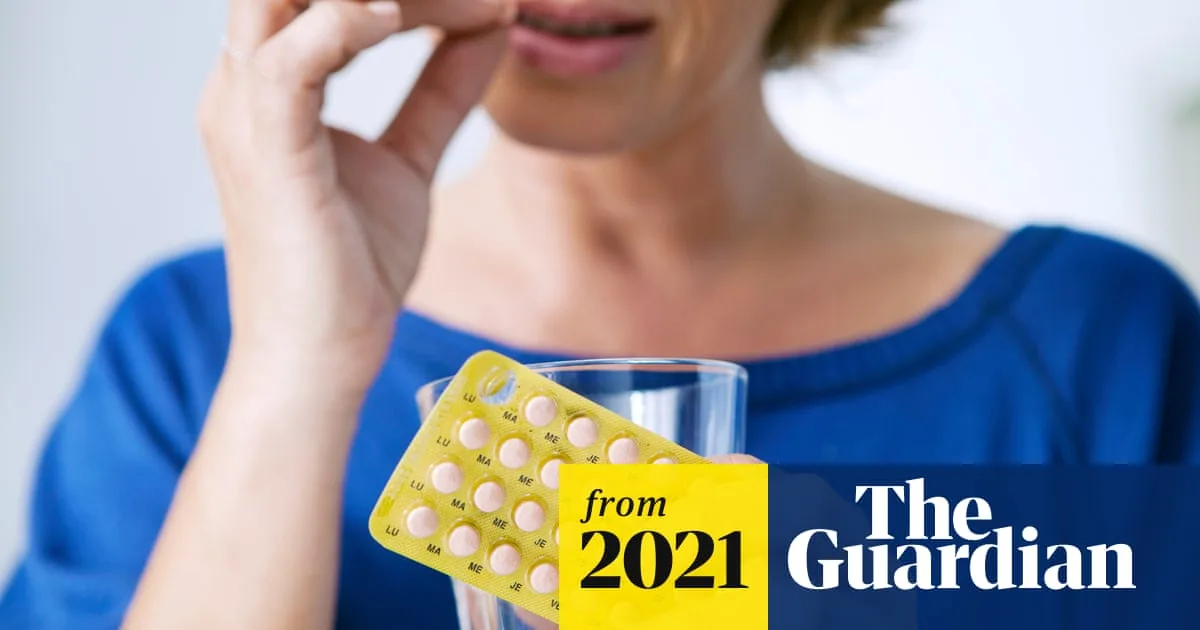
Hormone replacement therapy (HRT) is not associated with an increased risk of developing dementia, according to the largest study of its kind. The research, published in the BMJ, analysed data from more than 600,000 women over three decades and found no overall link between the treatment and dementia.
HRT is used by millions of women worldwide to relieve menopausal symptoms such as hot flushes, sleep disturbance, mood swings, memory losses and depression. In the UK, about 14% of women aged 50 to 59 use HRT, along with roughly 5% of those aged 40 to 49 and 60 to 69. Previous studies have produced conflicting results, with some suggesting a protective effect and others pointing to an increased risk.
Researchers from the Universities of Oxford, Southampton and Nottingham used primary care databases to analyse HRT prescriptions for 118,501 women aged 55 and older diagnosed with dementia between 1998 and 2020, and 497,416 women matched by age and general practice with no dementia record. They adjusted for factors such as family history, smoking, alcohol consumption and pre-existing conditions.
After accounting for these potential confounders, the team found no overall association between HRT use and dementia risk. This finding held regardless of hormone type, application, dose or duration of treatment. The authors said the results bring clarity to previously inconsistent research and should reassure women in need of menopausal hormonal therapy.
However, some subgroup analyses revealed variations. Women under 80 who had used oestrogen-only therapy for at least 10 years had a 15% reduced risk of dementia. Meanwhile, among cases with a specific Alzheimer's disease diagnosis, oestrogen-progestogen therapy was linked to an increased risk: 11% for five to nine years of use and 19% for more than a decade, equivalent to five and seven extra cases per 10,000 woman years, respectively.
The study is observational, so it cannot establish cause, and the authors acknowledged limitations such as incomplete recording of menopausal symptoms. Nevertheless, it is the first to assess overall risk across different HRT types. In a linked editorial, Prof Pauline Maki and Prof JoAnn Manson wrote that the findings should provide "reassurance" for women.




