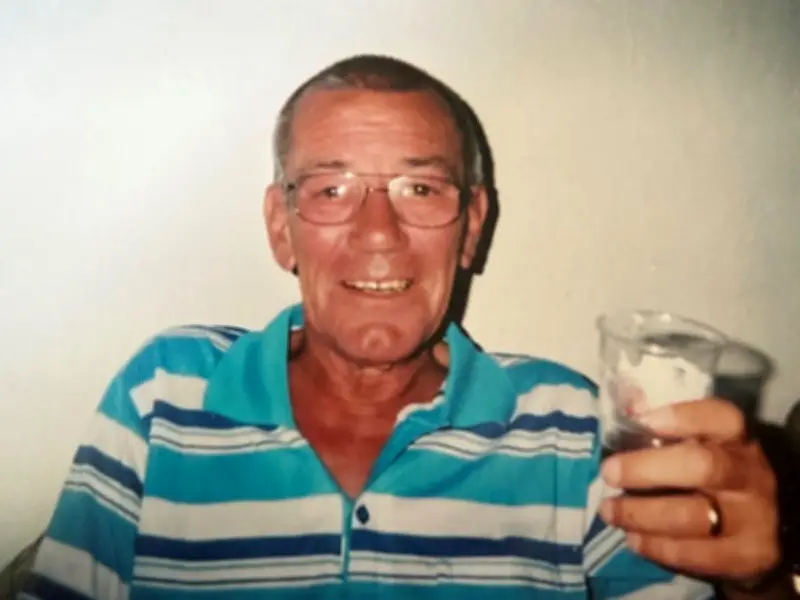
A British widow has described how she was forced to bury her husband in an unmarked grave in Cape Verde after he fell ill and died while on holiday at a Tui resort. Jacqueline Timson, 69, lost her husband Colin, 74, a retired forklift driver from Heighington, near Lincoln, in July 2024. He fell ill on the second day of their £2,000 two-week stay at the Riu Funana resort in Sal.
Illness and Death
Colin Timson collapsed the morning after falling ill and died in hospital that evening. A death certificate from Cape Verde authorities listed dehydration, severe anaemia, and septic shock caused by acute gastroenteritis and digestive bleeding. Jacqueline also fell ill but recovered. She said: “We’d been to Cape Verde before and were looking forward to returning. However, when we arrived at the hotel we didn’t feel it was the same standard we’d found on our previous holiday.” She described undercooked food, lukewarm meals, dead cockroaches in pool toilets, and yellow pool water.
Burial and Grief
Jacqueline believed she lacked adequate travel insurance and thought repatriation would be too expensive. She was told cremation was not an option in Cape Verde, so she watched helplessly as Colin was buried in an unmarked grave three days after his death. “I still can’t comprehend how we went on holiday together but Colin never came home,” she said. “The hardest thing is that I couldn’t even bring his ashes home to be alongside me. Instead, he’s buried in an unmarked grave, alone, thousands of miles away from his family.”
Legal Action and Other Cases
Irwin Mitchell, the law firm representing the Timson family, said it now represents more than 2,500 people who have complained of illnesses such as salmonella, E.coli, and shigella after holidays in Cape Verde since summer 2022. Among them are families of 10 people who died from gastric illnesses while on Tui holidays. All are planning legal action against the travel company. Another case involves Laurence Brownlie, 67, a retired IT engineer from West Calder, West Lothian, who died at the Meliá Llana Beach Resort and Spa in June 2024. His death certificate cited a suspected heart attack. His family raised concerns about flies in food and the absence of a defibrillator. His daughter Erin said: “It remains difficult not to think how dad should have been coming home with mum... Nothing will ever take away the pain of knowing he died so far from home.”
Company Responses
Tui, Riu Hotels & Resorts, and Meliá Hotels & Resorts were approached for comment. A Tui spokesperson said: “Our thoughts remain with both families. As we would for any family facing a serious incident or bereavement while travelling with us, Tui’s local representatives offered support and assistance in resort at the time. Neither family raised any complaint or concern with Tui, either during their holiday or after returning home, and Tui received no communication about either case until today, when we were contacted by media. As this is now a legal matter, it would not be appropriate for us to comment further.” Jatinder Paul, serious injury lawyer at Irwin Mitchell, said: “It’s staggering that we continue to be contacted by hundreds more people reporting how their holidays have been ruined by serious illness. Nothing brings the impact of these incidents into sharper focus than the deaths of British holidaymakers. The first-hand accounts from those who have lost loved ones are not only incredibly stark but harrowing. Our focus is now on securing our clients the answers they deserve and, where needed, either the support they require to come to terms with their loss or the specialist rehabilitation they require to try and overcome the impact of their illnesses the best they can.”