Ancient Pottery Remains Uncover Secrets of Early Europeans' Surprisingly Varied Diet
Archaeological evidence from pottery shards across Europe has revealed that ancient communities in the region created elaborate meals using a far greater diversity of plant and animal products than previously understood, according to a groundbreaking new study published in the journal PLOS One.
Multipronged Analysis Techniques Yield Breakthrough Findings
While archaeologists traditionally interpret ancient diets by analysing fatty residues in pottery remains, this method predominantly provides insights into meat-based foods alone. The innovative new research combined multiple sophisticated techniques, including detailed microscopic examination and advanced chemical analysis, to successfully identify the remains of plants consumed by early European hunter-gatherer communities.
The comprehensive study examined organic residues preserved on nearly sixty pottery fragments discovered across thirteen different archaeological sites throughout northern and eastern Europe. These artifacts date back to between the sixth and third millennium BC, representing a crucial period in European prehistory.

Diverse Plant and Aquatic Foods Discovered in Ancient Foodcrusts
Through this multifaceted analytical approach, researchers successfully recovered tissue samples from numerous plant varieties, including various grasses, different berries, multiple leaf types, and diverse seeds. These botanical remains were found alongside clear residues of fish and other seafood products, painting a remarkably detailed picture of prehistoric culinary practices.
The study authors emphasized in their published findings: "We discovered that hunter-gatherer fishers were not subsisting on fish alone. They were actively processing and consuming a wide variety of plant materials, indicating sophisticated food preparation techniques."
Regional Variations in Ancient Culinary Traditions
The specific mixture of residues and ingredients varied significantly from region to region, likely reflecting both locally available resources and distinct cultural practices among different prehistoric communities. This regional diversity suggests that early Europeans developed complex culinary traditions tailored to their specific environments.
For example, in the Baltic region, researchers frequently identified Viburnum berries within pottery foodcrusts alongside high concentrations of freshwater fish residues. The study noted this pattern "implies a targeted selection of ingredients" that was specific to this geographical area.
Microscopic analysis revealed a higher frequency of freshwater fish in pottery samples from Lithuanian archaeological sites. In contrast, lipid residue analysis from the Syltholm II site in southern Denmark showed a more varied range of animal products, highlighting distinct regional dietary patterns.
Complex Food Preparation Methods Revealed
The findings strongly indicate that plants and aquatic foods played essential roles in the diets of early European populations. Different types of pottery vessels were apparently used for specific food preparation purposes, with each cultural group developing their own intricate culinary traditions.
Archaeologists identified a general tendency among prehistoric European hunter-gatherers toward combining specific foods into distinct preparations. As one notable example, Viburnum berries frequently appeared as the sole plant ingredient mixed exclusively with freshwater fish, suggesting intentional recipe combinations rather than random food preparation.
Methodological Advancements in Archaeological Science
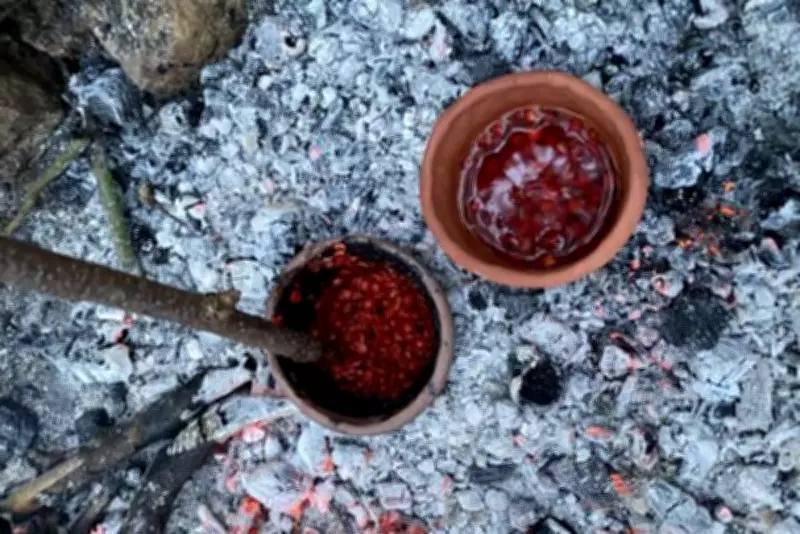
The research team conducted experimental cooking using modern replica pottery vessels to recreate potential prehistoric recipes, providing valuable comparative data for their analysis. This innovative approach helped validate their findings about ancient food preparation techniques.

The researchers concluded: "This investigation underscores that to genuinely comprehend ancient diets, we must examine these food crusts closely, quite literally. While conventional chemical analysis tends to emphasize animal-based components of ancient meals, our combined microscopic approach has successfully brought these prehistoric recipes back into sharp focus."
The study represents a significant advancement in archaeological methodology, demonstrating how integrating multiple analytical techniques can reveal previously hidden aspects of ancient human behavior and cultural practices related to food consumption and preparation.