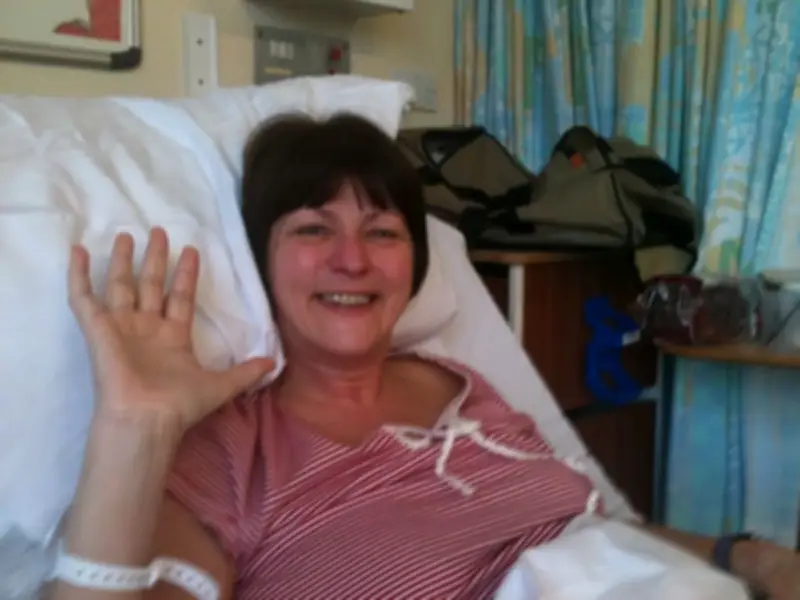
Kate Clarkson, 72, from Poynton, near Stockport, has spoken about her decision to donate a kidney to a stranger in 2012, describing it as a 'no-brainer'. At the time, she was working as a health visitor and humanist celebrant and had been asked to speak at the annual service of remembrance for kidney donors and recipients.
"I was so moved by the accounts people gave that, on the way out, I asked one of the transplant nurses if there was anything I could do to help," she said. "She said that I could always donate a kidney altruistically."
Kate said she did not think twice. "I have always done my best to improve people's lives and feel this was simply an extension of that. I had a spare kidney that someone needed to save their life," she said. "It was a no-brainer that I should let them have it."
Family Support and Surgery
Kate, who was married but whose husband has since died, and who has two children, said her family had some concerns but supported her decision once she explained her reasons. "They were concerned about any impact it may have had on my life, but after we had an in-depth talk about why I wanted to do it and how extremely unlikely it would be for there to be any negative effects on me, they understood and supported me absolutely," she said.
In 2012, then aged 58, Kate underwent surgery to donate a kidney to someone on the kidney transplant waiting list who was a match for her, despite having no idea who that person was. This is known as 'non-directed' or 'altruistic' kidney donation, when someone chooses to give a kidney without knowing who will receive it, allowing it to go to the person in greatest need.
No Negative Consequences
Kate has now spoken out about her decision in the hope it will inspire others. "I was pretty tired for about a week and then felt back to normal," she said. "I am able to do everything I did before - there have been no negative consequences for me. I have no regrets at all, and am very pleased I was able to save someone's life."
"I have been absolutely fine since then. I recovered really quickly and have not looked back. I have no regrets at all and am in very good health," she added. She has never found out who got her kidney. "Not a thing. The team told me the recipient was doing well," she said.
Kate is now retired but continues to work part-time for the Human Tissue Authority, based at the Manchester Royal Infirmary, the national co-ordinating body for organ transplants, which ensures that all donations are made without duress or reward.
Impact on Waiting List
The NHS Blood and Transplant service announced an urgent plan to address the decline in organ donation and transplantation across the UK. The latest figures showed that there are now 7,023 people - including 138 children - waiting for a life-changing kidney transplant, 264 more than the previous year.
The NHS report also revealed that 328 people died last year while on the waiting list for a new kidney, and the average amount of time people wait before they have a kidney transplant has now gone up by more than a month, from 503 days to 547 days.
The Robert Dangoor Partnership for Living Kidney Donation, which offers information, resources, and one-to-one peer support to anyone considering becoming a donor, says you can live a healthy life with one kidney. They say some people are born with a single kidney and often don't realize for many years. Tests have shown that some people who have one kidney removed can have increased function in their remaining kidney, which can equate to up to 70 percent of that normally achieved with two.
Jan Shorrock, from the partnership, said: "Kate's story demonstrates the extraordinary impact that ordinary people can have through living kidney donation. One donor can transform – and even save – a life. We want to celebrate Kate's generosity while encouraging more people to learn about the possibility of becoming a living donor."