
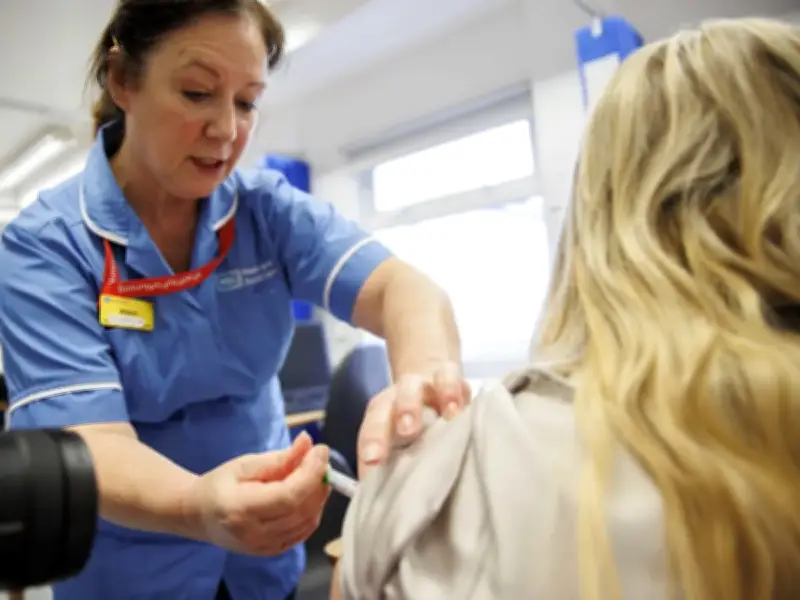
As temperatures drop and the colder months set in, protecting yourself against seasonal illnesses becomes increasingly important, particularly for those most at risk of becoming seriously unwell. Flu, Covid-19 and respiratory syncytial virus (RSV) can all cause serious complications, especially among older adults, young babies and people with certain underlying health conditions.
Figures from the UK Health Security Agency's annual report suggest excess deaths from flu reached 3,798 last winter. With several vaccines available through the NHS, knowing which ones you may be entitled to this winter can be confusing. Eligibility depends on factors including your age, health and whether you are pregnant, while some vaccinations are offered throughout the year rather than as part of the winter programme.
Who can get the flu vaccine
The flu vaccine helps your immune system recognise and fight influenza viruses, which typically circulate more widely during autumn and winter. "The influenza virus can have a significant impact on your health and can make people really ill," says Dr Kim Goldin, senior GP and health assessment doctor at Nuffield Health. "It can be extremely life threatening in a vulnerable person."
The NHS offers a flu vaccine each year to people who are more likely to develop serious complications. Goldin advises getting vaccinated early enough to allow your body to build up protection before the flu begins circulating widely.
"It can take 10 to 14 days after a vaccination for your body to build up full protection and immunity, so ideally you want to get them done in autumn so your body has time to build up protection against these viruses before the winter months," explains the GP. "Quite a broader group of people are eligible for the flu vaccine because there's a lower threshold of eligibility compared to some of the other targeted adult vaccination programmes."
According to the NHS website, you can get the free NHS flu vaccine if you:
- are aged 65 or over (including those who will be 65 by March 31, 2027)
- are aged 18 to 64 and have certain long-term health conditions
- are pregnant – you can have a flu vaccine during any stage of pregnancy
- live in a care home
- are the main carer for an older or disabled person, or receive a carer's allowance
- live with someone who has a weakened immune system
- are aged 16 or over and rough sleeping or staying in a homeless hostel or night shelter
- are a frontline health and social care worker
Covid-19 booster eligibility
The autumn and winter Covid-19 vaccination programme is more targeted than the flu programme, with eligibility focused on people at greater risk of serious illness. "The Covid-19 vaccine is much less widely accessible than the flu vaccine," says Goldin. "This autumn the Covid vaccination programme is targeted at high risk groups - including people over 75, people living in care homes and people with a severe weakened immune system. This is because these groups are more likely to become seriously ill from Covid-19."
For autumn 2026, according to the gov.uk website, the Covid-19 vaccination is offered to:
- adults aged 75 years and over
- residents in care homes for older adults
- individuals who are immunosuppressed aged 6 months and over
RSV and other vaccines
Respiratory syncytial virus, commonly known as RSV, is a frequent cause of respiratory infections. Although it often causes mild, cold-like symptoms, it can lead to serious illness in babies and older adults. The NHS offers an RSV vaccine to eligible groups, with the aim of reducing the risk of severe complications, including pneumonia and bronchiolitis.
"RSV is a common virus that can make babies and older adults very ill, so it is offered to pregnant women and adults aged 75 or over on the NHS for free," says Goldin. "Pregnant women are recommended to have the vaccine when they are 28 weeks or more, to help protect themselves and the baby for the first few months after they're born."
There are several other vaccinations that people may be eligible for throughout the year, including those against pneumococcal disease, shingles and whooping cough. "The whooping cough vaccine is another important vaccine that is offered to pregnant women to help both the women and their babies," says Goldin. Whooping cough vaccination is also part of the routine childhood immunisation programme, helping protect babies and young children against the potentially serious infection.
"Meanwhile, the pneumococcal and shingles vaccines are both offered to the elderly and people who have specific health risks," adds Goldin. The pneumococcal vaccine helps protect against infections caused by pneumococcal bacteria, which can lead to illnesses such as pneumonia. The shingles vaccine helps reduce the risk of developing shingles and its complications. Eligibility for both vaccines depends on factors such as age and underlying health conditions, so people should check the current NHS Scotland vaccination schedule to find out whether they qualify.




