Parts of the UK saw rain for the first time in over 50 days this week, with millions of residents in South and Central England still under a hosepipe ban. While the downpour offered a break from the summer's drought, it has brought a noticeable side effect: a 'musty' or 'earthy' undertone to tap water over the next few weeks.
The changing forecast is likely to blame, according to experts. Heavy rainfall after a prolonged dry spell can create problems for those responsible for treating water, and can even lead to tap water taking on unpleasant notes, an in-house taste expert at Our Taap told Metro.
Why does rain make tap water taste earthy?
When heavy rain follows a drought, the ground is so dry and hard that water is less easily absorbed into the soil. Instead, more runs off the surface, carrying soil, pollutants and other materials into natural water sources.

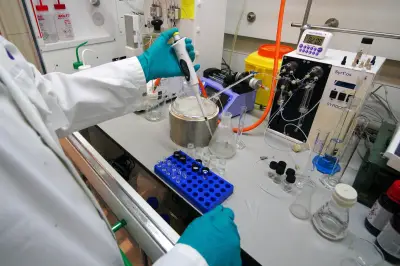
Dr Bill Simpson, a chartered chemist, says higher concentrations of phosphate and nitrate washed into waterways during heavy rain allow photosynthetic bacteria and algae to grow. These extra nutrients encourage algae and bacteria to flourish, producing compounds that give water an 'earthy' flavour and smell — compounds he claims are 'notoriously difficult to remove during water treatment'.
In some cases, even after treatment, the water still can't be supplied to consumers and has to be blended with better sources free of such compounds, Dr Simpson continues.
Is the water still safe to drink?
Water treatment stations have volume requirements to meet, so a compromise has to be struck. Plants must remove enough contaminants to ensure water is safe to drink, but aren't required to make the water 'pristine', so traces of taste and odour compounds may remain after treatment.
Despite this, Dr Simpson stresses the water is still safe to drink, adding: 'We've pretty much eliminated the chance of getting sick from drinking tap water in this country.'
Why does tap water taste like chlorine?
Some Brits might also notice a chlorine smell. Dr Simpson explains that the cocktail of pollutants and microorganisms that run into water sources 'cause a whole world of pain' for treatment plants. Higher chlorine levels may have to be used during treatment to lower microorganism levels, he adds.
He recommends anyone struggling with the taste consider treating tap water at home with a water softener system or a standalone tap water purifier with activated carbon filters.