
The World Health Organisation (WHO) has issued an update after a Russian laboratory worker died from pneumonia of 'unknown cause', prompting fears of a possible outbreak of pneumonic plague.
The global health agency said no case of plague had been registered in the Siberian region where the woman died, and that tests on her and people who came into contact with her had not detected any of the high-threat pathogens that her workplace tested.
However, the cause of the woman's death remains unknown. The WHO has said that a confirmed diagnosis is yet to be established.
Details of the case
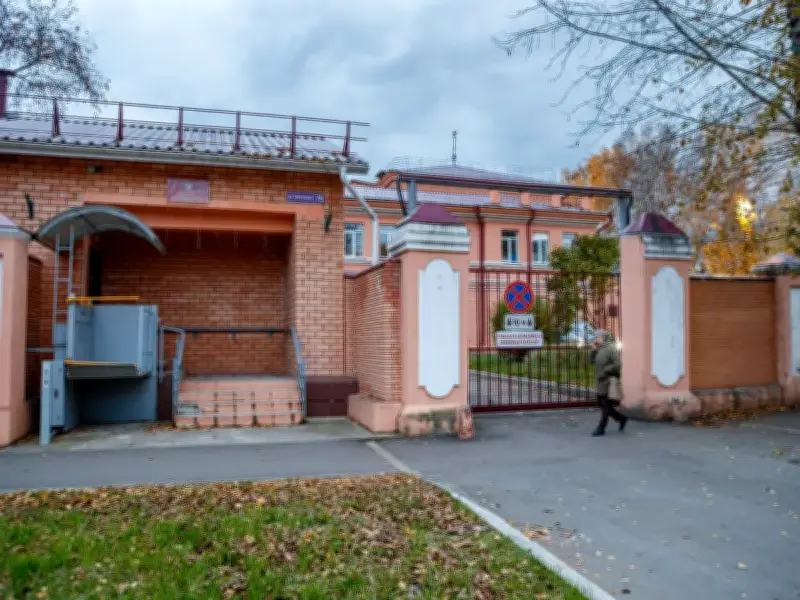
The worker died on October 2 after being admitted to hospital with severe pneumonia on September 29. She was employed at the Irkutsk Antiplague Research Institute of Siberia and the Far East, which works with dangerous infectious pathogens, according to an update from the WHO on Saturday (October 10).
Her death prompted authorities to quarantine about 200 people, as well as quarantine at the hospital where she was treated and medical monitoring of people who may have come into contact with her, according to local reports.
Earlier media reports suggested she may have contracted pneumonic plague following exposure in a laboratory. However, Russian authorities have denied reports of a laboratory biosafety or biosecurity incident, saying investigations found no such incidents had occurred.
WHO response and monitoring
In its latest update, WHO said: "Based on the information provided by NFP, WHO has not identified evidence of ongoing transmission associated with this event. A key uncertainty remains the absence of a confirmed diagnosis in the deceased laboratory worker."
Russian authorities had reported that the woman and close contacts were tested for illnesses like influenza, Covid-19 and other infections such as plague and streptococcus. All results were reportedly negative for high-threat pathogens, the WHO said. Among her contacts, authorities identified two cases of Covid-19, three cases of rhinovirus, one case of Haemophilus species and other infections.
The agency said all identified contacts had been medically monitored for seven days, with daily testing.
Ongoing uncertainty
The WHO added that a "laboratory-associated exposure cannot be fully excluded at this stage", given the woman's work with "high-consequence pathogens" and the uncertainty surrounding her death.
WHO said it would continue to monitor the situation as further information becomes available. The agency said it does not advise any restrictions on travel or trade related to the incident.




