
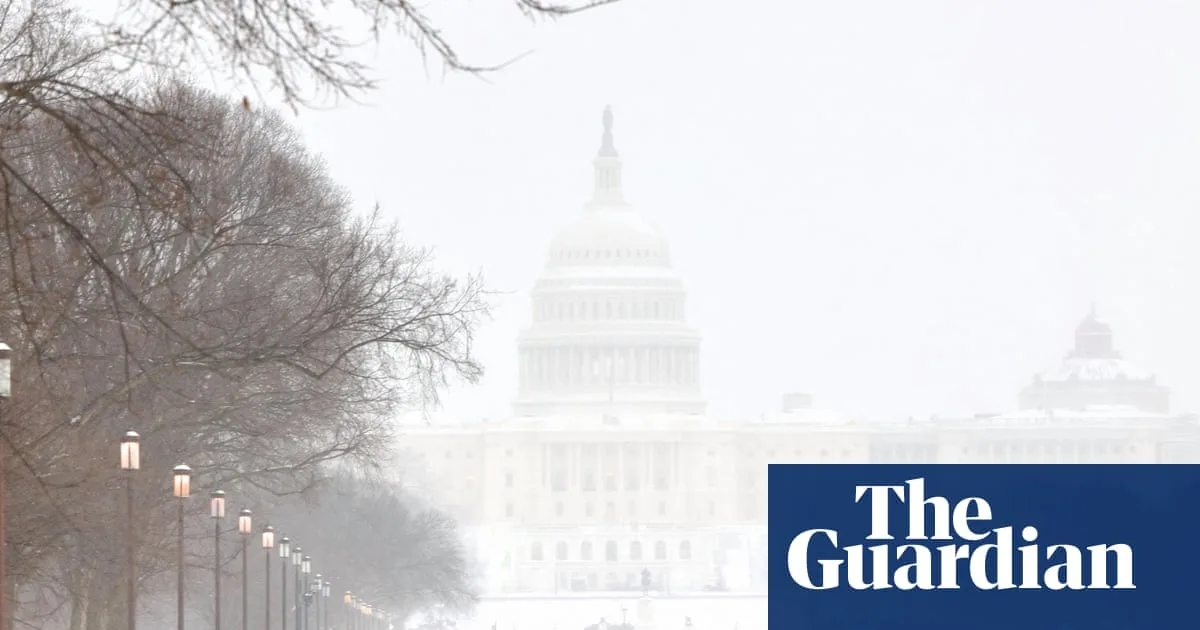
A severe winter storm sweeping across the United States has resulted in at least seven deaths and left more than one million people without power, primarily in southern states. The storm has brought heavy snowfall, sleet, and dangerously low temperatures from the Gulf coast to the north-east, grounding over 10,000 flights.
The Louisiana Department of Health confirmed two deaths from hypothermia in Caddo parish. In New York City, Mayor Zohran Mamdani reported five deaths among homeless individuals, stating, 'There is no more powerful reminder of the dangers of the extreme cold.' The National Weather Service warned of up to 18 inches of snow in New England and significant ice accumulation in the Mid-Atlantic and Ohio/Tennessee Valleys.
President Donald Trump approved federal emergency declarations for 12 states, including South Carolina, Virginia, Tennessee, and Georgia. The Department of Homeland Security reported that 17 states and the District of Columbia had declared weather emergencies. DHS Secretary Kristi Noem urged citizens to 'stock up on fuel and food' as utility crews worked to restore power.
As of Sunday morning, over 900,000 customers were without electricity, with Tennessee, Mississippi, Louisiana, and Texas hardest hit. The Department of Energy issued emergency orders to deploy backup generation resources in Texas and the mid-Atlantic region to prevent blackouts. Forecasters predicted record low temperatures and dangerous wind chills across the Great Plains by Monday.




