
The Veterinary Medicines Directorate (VMD) has issued a warning to individuals using hormone replacement therapy (HRT) or testosterone replacement therapy (TRT). The alert, released on 11 June, primarily targets those who frequently interact with animals, including household pets like cats and dogs.
Risk of Accidental Exposure
Pets are naturally curious and affectionate, often staying close to their owners. This behavior makes accidental exposure to topical hormone treatments more likely than many realize. Research indicates that pets can absorb estrogen or testosterone through contact with human skin where hormone gels and creams have been applied.
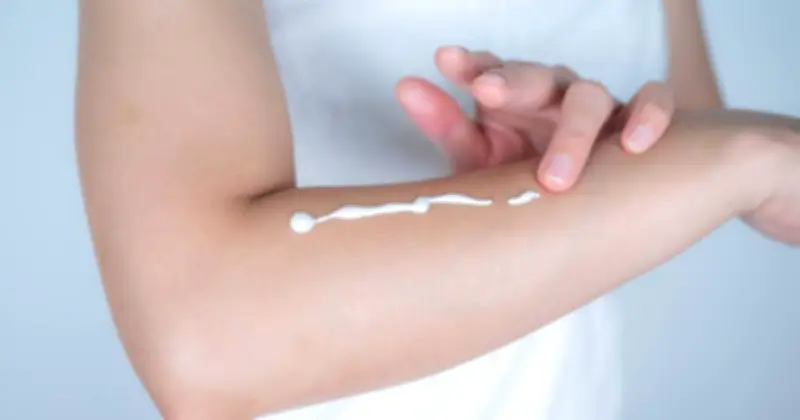
Forearms are a commonly recommended application area in prescribing guidance, which may increase the risk of direct contact during cuddling or petting. Such routine interactions can lead to unintended hormonal consequences in pets, a danger many remain unaware of, reports the Mirror.
The danger can be easily controlled through minor adjustments. It is crucial not to stop any prescribed treatments if a pet shows signs of hormone exposure.
What Are Topical Hormone Products?
Topical hormone products containing estrogen and testosterone are human medicines applied to the skin as part of HRT and TRT. HRT gels and creams help manage menopause symptoms. TRT products are authorized to replace low testosterone levels, a condition known as hypogonadism. There is also a TRT product authorized for women with hypoactive sexual desire dysfunction (HSDD).
Signs of Accidental Hormone Exposure in Pets
Hormonal shifts in pets triggered by secondary exposure vary by the animal's sex and the type of hormone absorbed.
- Female pets (spayed or not) may show signs similar to being in heat, such as vaginal bleeding and a swollen vulva. In pregnant animals, exposure can cause birth defects.
- Male pets may develop swollen mammary glands and changes in testicular size.
- Both sexes may experience hair loss, behavioral changes, heightened attention from other animals, reduced growth rate, and in prolonged cases, bone marrow suppression.
How to Reduce Risk
To minimize secondary exposure to pets, the VMD recommends the following steps:
- Keep pets away from skin areas where topical hormone products have been recently applied.
- Wash hands with soap and water after application.
- Cover the application site with clean clothing (e.g., a t-shirt) once the product has dried.
- Consult the Patient Information Leaflet and/or a doctor if concerned.
VMD Actions
The VMD continuously monitors all reports of suspected adverse events, including those from accidental exposure to human medicines. A statement on Gov.uk reads: "All cases are evaluated, and we perform statistical analysis to identify groups of reports that could indicate a problem. By sharing findings and raising awareness, the VMD aims to support vets and pet owners in making informed decisions."
Reporting Adverse Events
If an adverse event occurs in an animal following potential exposure to a human hormone product, report it directly to the VMD's adverse event reporting service. The VMD uses these reports to assess medicine safety and protect animal, public, and environmental health.
Adverse reactions in humans to authorized human medicines should be reported to the Medicines and Healthcare Products Regulatory Agency (MHRA) via the Yellow Card scheme. The MHRA has also published guidance on risks to children from accidental exposure to topical testosterone (Testogel).




