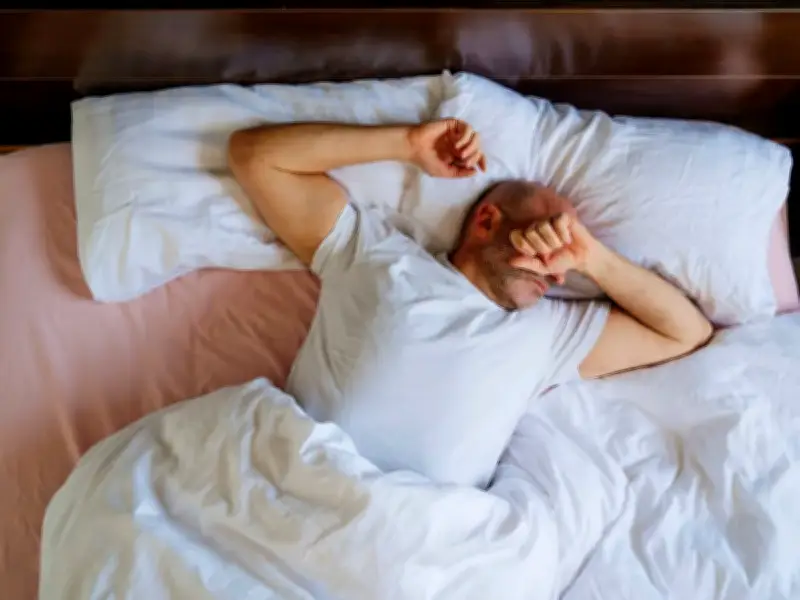
Nearly half of Brits have experimented with viral social media "sleep hacks" over the past year – from avoiding screens at bedtime to more unusual suggestions like eating a kiwi before bed or placing onions in their socks.
Research involving 2,000 UK adults revealed people have tested an average of two different sleep techniques they've discovered online during the last 12 months. The most popular 'hacks' included avoiding blue light before bed (39%), listening to white, brown or "sleep" noise (31%) and drinking herbal tea (28%).
Others said they had tried influencer-led trends such as 'sleepy girl' mocktails, tart cherry juice, and eating kiwi fruit before bed – with a small number even attempting to sleep with onions in their socks overnight.

UK lags behind global average
The study was part of a broader survey covering 13,000 adults across 12 countries and discovered the UK is fairly reserved when it comes to trying sleep trends. In Britain, 48% reported they had experimented with sleep hacks during the past year, compared with a worldwide average of 71%, with greater adoption seen in nations including the USA, Australia, France and China.
Although social media serves as a significant source of wellness guidance, the survey indicates many trendy tips aren't delivering the results people want. Just 31% reported avoiding blue light/screens before bed enhanced their sleep, 26% found white noise beneficial, 17% said magnesium sprays, oils or supplements helped, and 14% deemed sleep-tracking devices worthwhile.
Viral trends score lowest
The more viral trends scored lowest. Only 5% said "sleepy girl" mocktails, tart cherry juice or eating kiwi before bed worked for them, dropping to 4% among those who tried sleeping with onions in their socks.
Two-thirds (66%) of UK adults said social media makes wellness advice harder to trust. And the OnePoll research found that 16% had followed a sleep trend and later discovered it wasn't backed by science.
Sleep expert Olivia Arezzolo said: "It is important to give ourselves the best chance of a successful night's sleep as we wind down in the evenings. Sorting fact from fiction and uncovering which viral fads are worth your time can feel like a minefield. While some popular sleep hacks have a scientific basis, many are oversimplified, exaggerated or simply ineffective."
Partnership with Novotel
The findings come as Arezzolo partners with Novotel to launch a sleep masterclass as part of the hotel chain's worldwide Longevity Week, running 7–13 September. Other partners include Olympic surf champion Kauli Vaast, food creator and recipe developer Alfie Steiner, Paris-Saint Germain Legend and ex-footballer Javier Pastore and wildlife photographer and marine biologist Kaushiik Subramaniam.
Arezzolo added: "We want to help people take a more informed approach to wellbeing by sharing practical, science-backed habits that can make a real difference to everyday health. Good sleep isn't about finding a miracle cure or viral shortcut. It's about building sustainable routines that work for you and understanding that the choices you make each day can have a lasting impact on your long-term wellbeing."
That's why the week will explore how small, everyday choices around eating, sleeping, moving and connecting with others can support better long-term wellbeing. "With practical advice and inspiration from the Novotel 37 Collective – a team of experts sharing simple, achievable ways to help people sleep better, feel better and support healthier, longer lives."
The research also revealed increasing interest in long-term health, with 65% saying they're more focused on it than five years ago and 69% believing enough sleep is vital for a longer, healthier life. However, many are finding it challenging as 56% said they wouldn't describe their current sleep pattern as good quality, and 39% said they wish they were better at getting enough sleep.