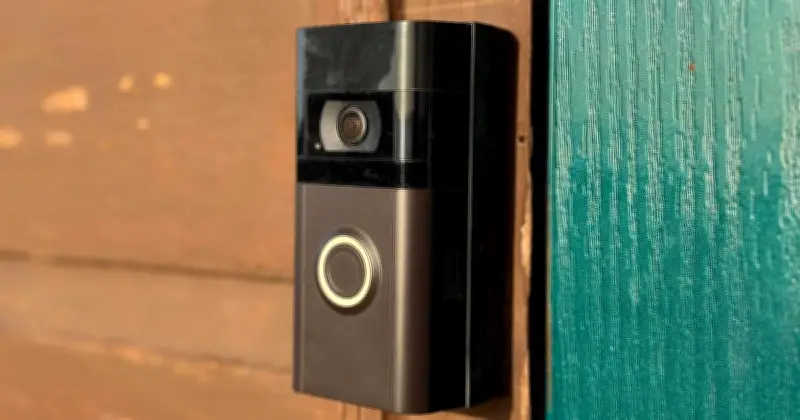
An increasing number of UK households now use video doorbells, drawn by the convenience of seeing and speaking to visitors before opening the door. Many of these devices can also record footage. If your neighbour has recently installed one, you may have privacy concerns, and disputes can arise even among residents who generally wish to coexist peacefully. Understanding your rights and the steps you can take is essential.
Are video doorbells legal?
Using a video doorbell in the UK is generally lawful, but it must comply with privacy and data protection regulations. Recording within your own property boundaries is usually not a concern. Difficulties can arise, however, if the footage captures public areas such as roads and footpaths, or neighbours' land. Video doorbells fall under the UK General Data Protection Regulation (GDPR) and the Data Protection Act 2018 (DPA).
Home surveillance company Eufy stated: "The key is proportionality: the camera must serve a legitimate purpose, like home security, without unnecessary intrusion. A standard doorbell camera can be installed without issue if positioned to minimise capturing external areas. For example, a doorbell camera angled to focus on your front door is acceptable, while one recording large areas of public space or a neighbour's windows may be considered excessive."
Southampton Council stated that devices must not film or capture images of communal areas. It said: "If you video people in shared spaces, or on public footpaths or streets, this would infringe on privacy rights, which is unlawful according to the Data Protection Act 2018 and the Human Rights Act 1998."
Your responsibilities and potential penalties
If a doorbell records individuals outside your property, you are responsible for managing the personal data appropriately. Eufy said: "If your doorbell captures public or shared spaces, you should carry out a Data Protection Impact Assessment (DPIA) to check privacy risks. You also need to let people know recording is in progress, usually with a clear sign, as asking for consent isn't practical." All doorbell footage must be stored securely and erased when no longer required. Sharing recordings is only permitted for legitimate reasons, such as providing evidence to the police.
Financial penalties and even legal proceedings can be brought against individuals who fail to comply with video doorbell regulations. Both the Information Commissioner's Office (ICO) and the civil courts have powers to take action. The ICO can impose fines, issue enforcement notices and mandate changes to how cameras are operated. Civil proceedings can also be pursued.
Eufy stated: "Neighbours may sue if cameras are intrusive or record their property without consent. An example of the video doorbell rules fines is Fairhurst v Woodard (2021), where a homeowner was found guilty of harassment and data breaches, with damages and costs reported at around £100,000."
Steps to take if you have concerns
If you believe a neighbour's doorbell is pointing towards your property, try to speak with them calmly and ask about when the camera is recording. Eufy recommended requesting to view sample footage to determine whether the camera is capturing your private areas. The company added: "If the issue isn't resolved, take photos of the camera's position and note any lack of signage. You can then raise a complaint with the Information Commissioner's Office (ICO), which has the power to order changes such as moving or adjusting the device. In serious cases, like ongoing harassment, contact the police or seek legal advice about civil action."