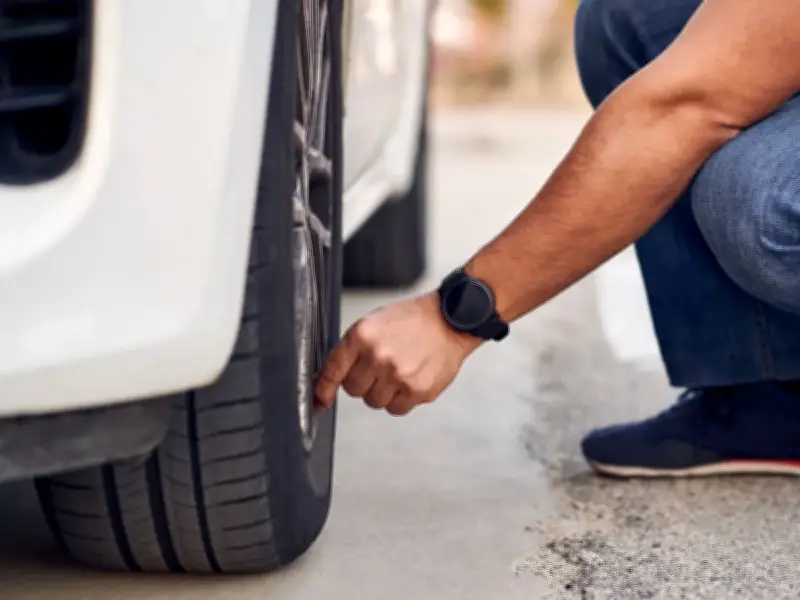
Animal welfare charities are urging motorists to make a quick check of their parked cars every morning this autumn, as colder weather sends neighbourhood cats searching for warm shelter. The RSPCA says cats may take shelter under cars, inside wheel arches or beneath the bonnet when temperatures fall, and advises drivers to tap the bonnet and check around the wheels and tyres before driving away.
Why parked cars attract cats
Cats Protection also warns that cats can hide underneath parked cars and, in colder conditions, may climb into a vehicle engine looking for warmth. The charity advises making some noise and giving any hidden animal time to get out before starting the vehicle.
Natalie Surtees, COO and co-founder of Tedaisy Insurance Group, the company behind Perfect Pet, said: "As the nights get colder, cats naturally look for somewhere warm and out of the weather. A parked car ticks every box. It keeps off the wind and rain, and there are lots of snug little gaps a cat can squeeze into."
Electric cars pose extra risk
The precaution is worth remembering whether the vehicle is petrol, diesel or electric. Department for Transport statistics show there were 2.017 million licensed zero-emission cars in the UK at the end of June, underlining how common electric vehicles have become.
Natalie added: "It's easy to think that because there's no hot engine, cats won't bother with an electric car. But a car doesn't need to be warm to be appealing. Shelter is often what a cat is really after. Electric cars are also much quieter than petrol or diesel when they pull away, so a cat dozing underneath gets far less warning than it would from an engine starting up."
Simple routine and owner precautions
For drivers, the recommended routine is deliberately simple and should not add much time to a busy morning. Natalie said: "Give the bonnet a firm tap, have a look around the wheels and tyres, and then wait a few seconds before you drive off. That gives any cat plenty of time to hop out."
There are also things cat owners can do to make their own pets less likely to seek shelter around vehicles. The RSPCA recommends giving cats a warm, cosy place to rest, while Cats Protection suggests bringing cats indoors overnight where possible when temperatures drop.
For owners in England, keeping microchip details current is another useful precaution if a cat does wander away. Owned cats must be microchipped by 20 weeks under government rules, and failing to comply can ultimately lead to a fine of up to £500.
The advice is particularly easy to follow because it does not require specialist equipment or a major change to how people drive. Before pulling away on a cold autumn morning, make some noise, check around the vehicle and allow a few seconds for anything hiding nearby to move clear.