
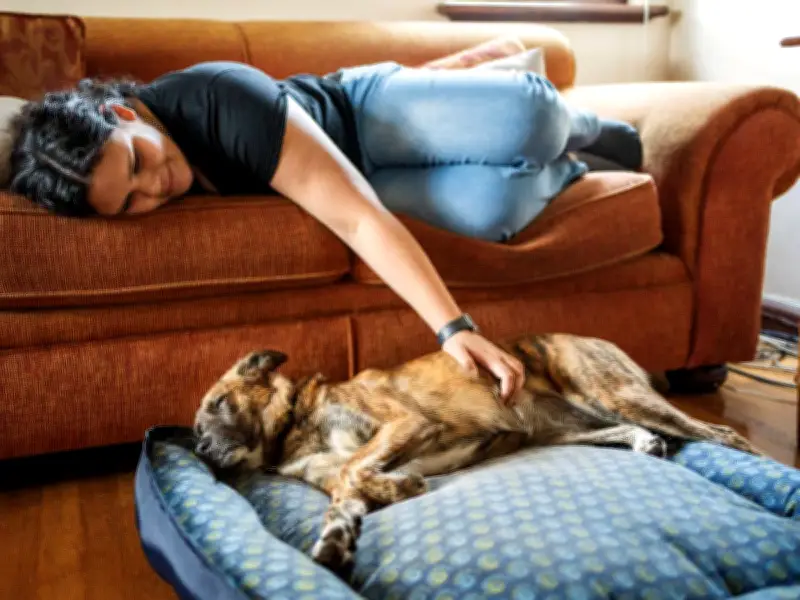
As the UK prepares for a dramatic partial solar eclipse on August 12, veterinary experts advise pet owners not to purchase protective eyewear for their animals. The real danger, they say, is not the eclipse itself but owners trying to include pets in the moment or taking them into busy viewing spots where sudden light changes and noise could unsettle them.
“There would be risks if they were to stare at it, but they wouldn’t normally do that,” said Ángela González, associate professor at the Faculty of Veterinary Medicine at the University of Santiago de Compostela and a veterinary surgeon at the Rof Codina University Veterinary Hospital in Lugo, Spain. “Normally, a dog would just be sniffing around and wouldn’t be staring up at the sky.”
No need for pet eclipse glasses
González urged owners not to buy protective eyewear for pets. “There’s no need to put glasses on them, and besides, most of them aren’t used to wearing them,” she said, adding that owners should never force an animal to look at the eclipse. She noted that some particularly sensitive pets could be startled by the sudden darkness. “It is true that a sudden change in light may frighten them, but normally nothing happens,” she said. If an animal becomes anxious or disorientated, she recommends keeping it in a familiar, quiet environment until it settles down.
Similar messages have been issued by US veterinary groups, including the American Kennel Club, which says pets don’t need eclipse glasses because they’re not naturally inclined to stare at the Sun. Instead, owners are advised to avoid taking nervous animals into crowded public watch-alongs, keep dogs close on walks, and allow pets to behave normally.
How animals react to eclipses
Studies of past eclipses suggest animals mainly react to the sudden “night-time” effect rather than showing any special foresight. During the 2017 total solar eclipse in the United States, researchers noted birds falling silent and heading back to nests, while crickets and cicadas began making their usual evening sounds. Dogs often looked to owners for reassurance or lay down, cats tended to seek shelter, and livestock moved back towards barns — all interpreted as normal responses to a brief dip in daylight.
Experts also say old myths about animals “predicting” eclipses don’t stack up scientifically. The behaviour seen is better explained as a reaction to unusual light levels and changes in routine. The UK Health Security Agency has also warned people not to mix up guidance meant for humans with advice for pets. People should never look directly at the Sun during the eclipse without certified ISO 12312-2 eclipse glasses or another approved method, as permanent eye damage can happen in seconds. Ordinary sunglasses are not safe.
What owners should do
- Don’t buy eclipse glasses for your pet – vets say they are unnecessary.
- Never force your dog or cat to watch the eclipse.
- Keep dogs on a lead if you’re out walking during the eclipse in case they become briefly confused.
- Take anxious pets indoors to a quiet, familiar room until the light returns.
- Treat it like any other day – most animals will barely notice anything unusual.
The partial eclipse will begin at around 6.17pm in London, reach its maximum shortly after 7.12pm and end just after 8pm, although timings vary slightly across the UK. The further south-west you are, the greater the proportion of the Sun that will be covered.




