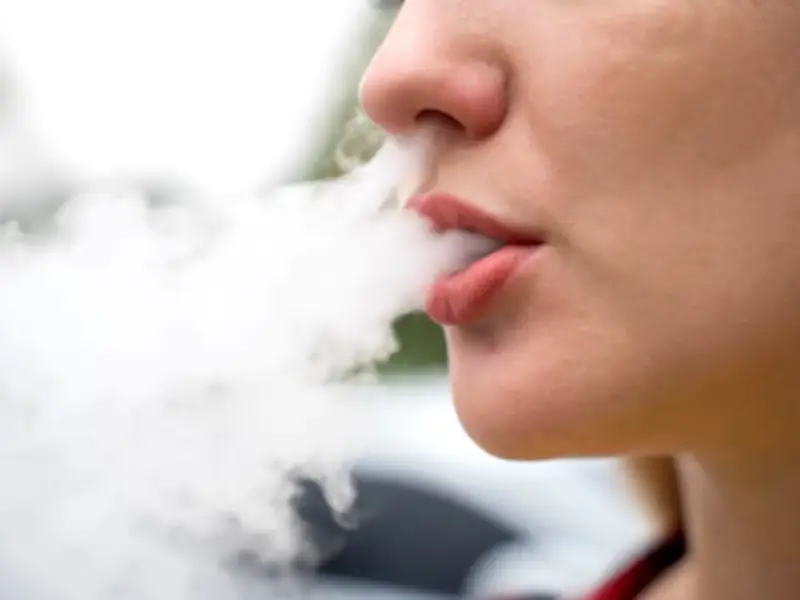
A new review published in the journal Archives of Disease in Childhood has linked vaping in children and young people to a range of health harms, including respiratory issues, mental health problems, and oral health effects. The Royal College of Paediatrics and Child Health (RCPCH) warned that concerns about vaping among children and young people “continue to grow” and called on the Government to limit the types of vape flavours.
Review of 81 studies finds multiple health harms
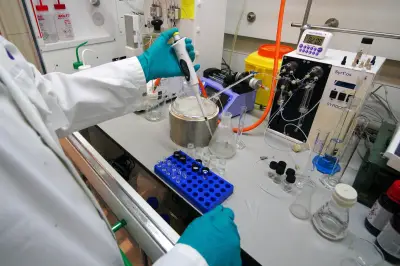
Experts from the RCPCH reviewed all published studies involving health or social outcomes of vaping on children and young people, examining 81 studies. The authors found that vaping was linked to respiratory issues such as wheezing and coughing; allergies; sleep issues including itching, dryness and blurriness; eye symptoms; mental health problems including anxiety, depression and panic disorder; and adverse effects on oral and dental health, such as inflammation, ulcers and dry mouth.
Researchers also found evidence of harm in babies whose mothers vaped while pregnant, including “more abnormal reflexes”; “lower motor maturity”; poorer self-regulation and higher risks of low weight gain. Long-term research also showed a link between vaping in childhood and cigarette smoking, the authors added.

Experts call for action on vaping appeal
Co-author of the systematic review, Professor Will Carroll, said: “Vaping should not be seen as a harmless part of growing up. The evidence shows clear links with respiratory symptoms, nicotine dependence and subsequent cigarette smoking, while concerns about wider impacts on young people’s health continue to grow. We must act to make vaping less attractive and accessible to children.”
RCPCH vice-president for policy, Dr Mike McKean, added: “Vaping is still a relatively new product, and there is much we do not yet know about its long-term impact on children and young people but a clear and concerning picture is emerging. The Tobacco and Vapes Act is an important step towards protecting children from nicotine addiction, but it must not be seen as a one-and-done solution.”
Government measures and further calls
In July, the Government announced a raft of measures to “crack down on vapes targeting kids” including plain packaging; plain devices; restrictions on flavour descriptions; and keeping vapes out of sight in shops. Prof Carroll added: “The recently announced measures are welcome and must be implemented quickly. But if vaping is to remain a viable smoking cessation tool without attracting new users, Government must go further.”
England’s chief medical officer, Professor Sir Chris Whitty, has said in the past that marketing vapes to children is “utterly unacceptable”. Figures suggest that almost one in five (19%) 11 to 17-year-olds in Britain have tried vaping, according to a poll conducted on behalf of the charity Action on Smoking and Health (Ash). Ash chief executive Hazel Cheeseman said: “The evidence remains clear that vaping is less harmful than smoking but is not risk free. The Government must use the powers in the Tobacco and Vapes Act to swiftly bring forward regulations to restrict the promotion of vapes to children while ensuring that adults who smoke can easily access vapes as a quit aid.”
A Department of Health and Social Care spokesperson said: “Children should never vape and this evidence shows just some of the risks associated. We have already banned single-use vapes and have legislated to ban advertising and sponsorship from next year too. We’re also consulting on proposals to crack down on packaging that appeals to children. Through the Tobacco and Vapes Act, this Government will protect children and young people from the potential harms of vaping, smoking and risks of nicotine addiction and create the UK’s first ever smoke-free generation.”