
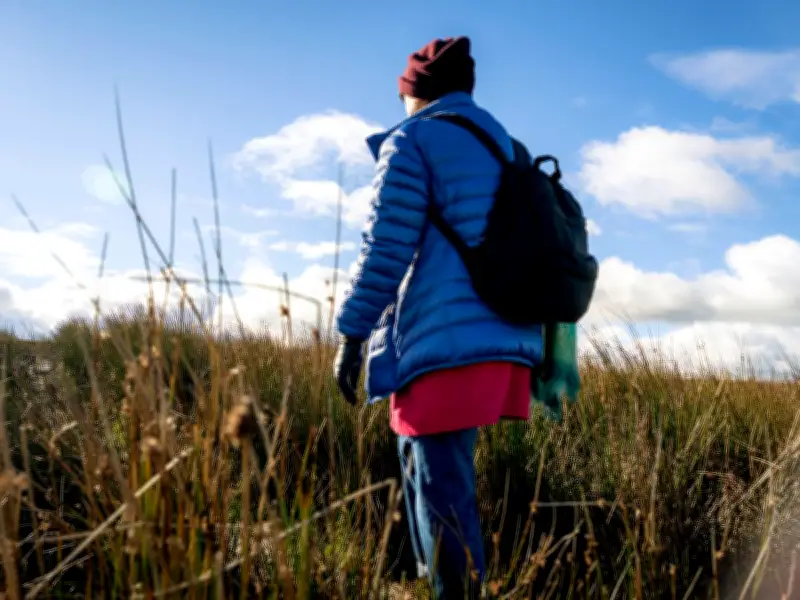
The UK Health Security Agency (UKHSA) has issued a summer warning to millions of Britons venturing outdoors – advising walkers to avoid brushing against long grass and vegetation to minimise the risk of tick bites. The agency launched a new 'tick awareness' campaign as families take advantage of parks, forests and the countryside during the warmer months.
Social Media Warning
In a post on social media, the UKHSA warned: 'If you're walking through grassy or wooded areas this summer, be tick aware and make sure you know how to avoid ticks and remove them if they bite.' Ticks are tiny spider-like parasites that inhabit long grass, woodland and heathland. They latch onto people and animals as they pass through vegetation and feed on blood.
Health Risks
While most bites are harmless, certain ticks can carry infections such as Lyme disease, making it essential to avoid being bitten and to remove any ticks without delay. The UKHSA has put forward six key pieces of guidance to help people remain safe while enjoying the great outdoors.
Six Key Precautions
The agency advises people to: use an insect repellent effective against ticks; wear long-sleeved tops and long trousers to reduce exposed skin; stick to clearly defined footpaths and avoid brushing against vegetation; check young children carefully for ticks, particularly on heads and necks; check yourself, children and pets for ticks as soon as you get home; and remove any ticks safely and as soon as possible if one is attached.
Peak Season
The warning comes as millions of people flock to rural areas during school holidays and summer weekends, when the likelihood of encountering ticks is typically at its greatest. Ticks are frequently found in grassy and woodland areas throughout the UK and can also be present in parks, gardens and heathland where wildlife such as deer, rodents and birds reside. Health experts advise that the sooner an attached tick is removed, the lower the risk of it transmitting an infection.
Recognising Symptoms
Anyone who notices a circular or spreading rash following a tick bite, or experiences flu-like symptoms such as fever, muscle aches or fatigue, should seek medical attention, as these may be indicators of Lyme disease. The UKHSA is urging anyone planning countryside walks, picnics or other outdoor pursuits this summer to take straightforward precautions before heading out – and to carry out a thorough check for ticks upon returning home.




