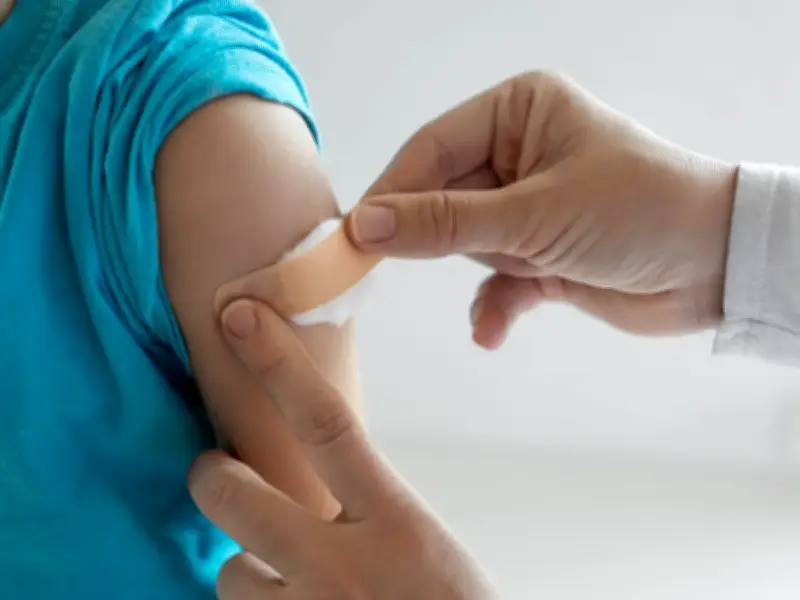
The UK Health Security Agency (UKHSA) has issued a reminder to parents of children born in 2013 or 2014 to check whether they have taken up the offer of the HPV vaccine, which protects against several cancers in later life.
The vaccine is routinely offered to boys and girls aged 12 to 13 in school Year 8. It protects against human papillomavirus, a common infection linked to several cancers and genital warts.
Vaccine programme history
HPV vaccination has been part of the school programme for girls since 2008, while boys were added in September 2019. Since September 2023, most young people have needed only one dose to receive protection.
UKHSA posted on X: "Did you know the HPV vaccine isn't just for girls? Boys are offered it too, to protect them from HPV-related cancers later in life. A simple vaccine today helps protect their future."
Uptake figures
Despite the programme, the latest UKHSA figures show many pupils are still missing out. In England, uptake by Year 10 in the 2024/25 school year stood at 75.5 per cent for girls and 70.5 per cent for boys, meaning roughly one in four had not received the vaccine by the time they were leaving school.
Dr Sharif Ismail, consultant epidemiologist at UKHSA, said: "While HPV uptake has remained stable, vaccination rates are still well below pre-pandemic levels and around 1 in 4 young people are still leaving school unprotected against several cancers." He urged parents of children who have missed the vaccine not to wait, with catch-up vaccination available through GP surgeries.
Importance of the vaccine
HPV is spread through skin-to-skin contact, and most people will encounter some type of the virus during their lifetime. While many infections cause no harm, persistent infection with certain types can lead to cervical cancer and cancers affecting the anus, penis, vagina, vulva, mouth and throat.
The NHS says the vaccine is most effective when given before someone comes into contact with HPV, which is why it is offered during early secondary school. Children who missed their appointment can still receive the vaccine free of charge, with parents advised to contact their school immunisation team or GP practice.
Most people under 25 need just one dose, although those with a weakened immune system may need three. The vaccine also does not remove the need for cervical screening, which remains important for eligible women and people with a cervix.