
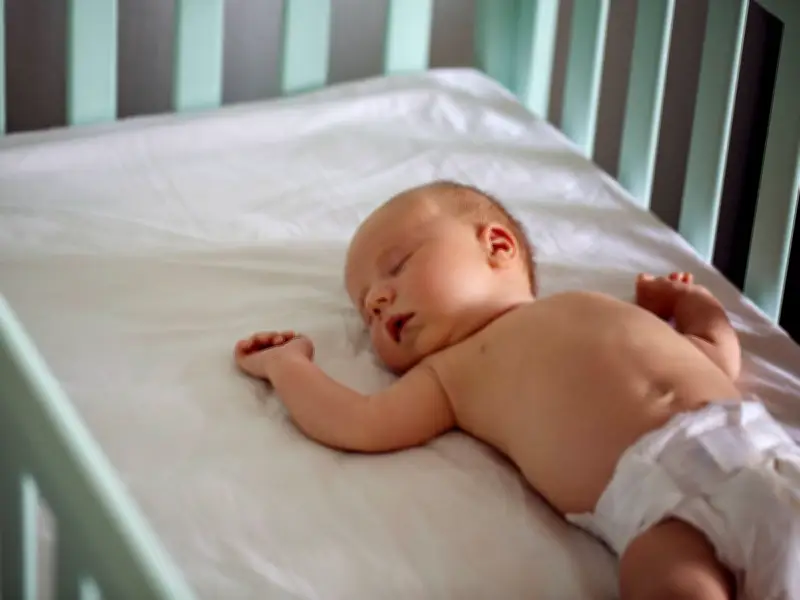
The UK Health Security Agency (UKHSA) has shared essential advice for parents of babies during the current heatwave, as temperatures across the UK are set to soar to as high as 39C. The guidance, posted on the UKHSA's official Instagram account, aims to help little ones stay safe and comfortable during the extreme heat.
According to the UKHSA, hot nights can be particularly challenging for babies. The agency recommends a few simple steps to keep babies cool and ready for sleep. These include closing windows and curtains in rooms that face the sun during the day, and opening doors and windows at night to keep air flowing, provided it is safe to do so.
Using Fans and Reducing Clothing
The UKHSA advises that electric fans can be used if the air temperature is below 35C, but they should not be aimed directly at the baby, as this can lead to dehydration. Parents are encouraged to remove excess clothing from their baby and check on them regularly to ensure they are not overheated. Sleeping in just a nappy is fine. If another room is cooler, parents can temporarily move the baby's sleeping set-up there.
The NHS website also provides additional guidance, warning that babies and young children are at risk of heat exhaustion, heatstroke, and dehydration during very hot weather. Babies under six months old should be kept out of direct sunlight entirely.
Sun Protection for Older Babies
For older babies, shielding from the sun is crucial, especially between 11am and 3pm when UV rays are strongest. Parents should fix a parasol or sunshade to the pushchair and avoid covering it with a blanket, as this can cause overheating. Lightweight clothing is recommended, and for babies six months or older, sunscreen with an SPF of at least 30, protecting against both UVA and UVB rays, should be applied. Sunscreen is not recommended for babies under six months.
Babies should also wear loose-fitting clothing, sunglasses, and a sunhat with a wide brim or a long flap to protect the head, ears, and neck.
Hydration Tips for Babies
Keeping babies hydrated is essential. For babies aged 0-6 months, fully breastfed babies do not need water until they start solid foods, but may want to breastfeed more frequently. Bottle-fed babies can be offered small amounts of cooled boiled water alongside their regular milk feeds. If a baby wakes during the night, they may need milk or cooled boiled water.
From around six months, once solid foods are introduced, babies can have sips of water from a cup with meals. Breastmilk or infant formula should remain their primary drinks throughout the first year, with extra water offered between meals in hot weather.
Keeping Cool at Night and During the Day
The NHS also recommends avoiding leaving babies or children in small enclosed spaces like parked cars, as they can heat up quickly. Playing in a paddling pool in the shade can help keep babies cool, with careful supervision. A cool bath before bedtime can also be beneficial.
To keep the bedroom cool, parents should close blinds or curtains during the day and use a fan to circulate air, but not aimed directly at the child. Nightwear and bedclothes should be minimal—a nappy alone is sufficient. A nursery thermometer can help monitor the room temperature, which should ideally be between 16C and 20C for comfortable sleep.
Parents are advised to keep the baby's room door open and the window open if safe, to promote airflow.




