
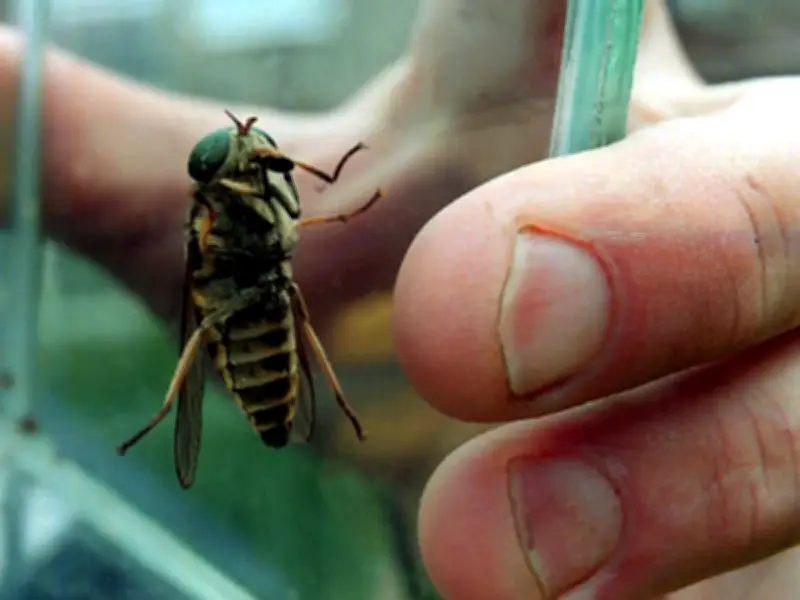
As temperatures soar across Merseyside this week, many residents are heading to beaches, gardens, and outdoor spaces to enjoy the sunshine. However, the warm weather has also brought a surge in insects, including horseflies, which are known for their painful bites.
What Are Horseflies and Where Are They Found?
Horseflies, also called clegs, are large, dark-coloured flies measuring between 1cm and 2.5cm. They have razor-sharp jaws that can inflict a very painful bite. According to the Northumberland Wildlife Trust, horseflies are typically active from May to September, meaning the UK is currently in the peak of horsefly season.
These insects are commonly found near stables, grazing fields, water pools, woodlands, meadows, and grassy areas. While they prefer to feed on horses and cows, they will also bite any large mammal, including humans and dogs.
Why Do Horseflies Bite?
Only female horseflies bite. They require blood to produce eggs. Their jagged teeth slice open the skin, and they release an anti-coagulant to prevent the blood from clotting while they feed. Male horseflies feed on nectar and do not bite.
Symptoms of a Horsefly Bite
According to NHS Choices, a horsefly bite can be very painful. The bitten area is usually red and raised. Additional symptoms may include a larger red, raised rash (hives or urticaria), dizziness, weakness, wheezing, or swelling in parts of the body.
Horsefly bites can take longer to heal than other insect bites and are more prone to infection because the flies cut into the skin rather than piercing it.
What to Do If Bitten
To prevent infection, keep the wound clean with antiseptic soap and warm water. Avoid scratching the bite, as this can increase the risk of infection. If you notice signs of infection—such as pus, increasing pain, redness, or swelling—contact your GP.
In rare cases, people may experience allergic reactions, including dizziness, wheezing, difficulty breathing, a blotchy skin rash, or severe swelling of the lips or tongue. If these symptoms occur, seek immediate medical help.




