
Cases of the variant dubbed 'American Covid' are continuing to rise across the UK. Positive Covid tests increased to around 7% in September, while hospital admissions rose by roughly 50% over the same period.
The variant, officially known as XFG or Stratus, is not new and has been circulating for around a year. The UK Health Security Agency (UKHSA) says there is currently no evidence it causes more severe illness than other variants, and the nickname refers to where it was first sequenced rather than where it originated.
Symptoms mirror Omicron subvariants
The symptoms of the 'American Covid' variant heavily mirror previous Omicron subvariants, behaving much like a severe winter cold or flu. Health experts and the UKHSA say that it does not cause more severe clinical illness, but certain signature symptoms have been widely reported by patients.
These include a hoarse or croaky voice, a severe sore throat, a new and continuous cough, and sinus congestion. Dr Donald Grant, GP and Senior Clinical Advisor at The Independent Pharmacy, has shared six practical ways to protect yourself and others as we head into winter.
Practical steps to reduce spread
Dr Donald Grant said: "It’s normal to see Covid rise at this time of year, as colder weather brings more of us indoors with the windows shut. For most people, XFG causes a mild illness similar to a bad cold, but it can still be serious for older people and those with weakened immune systems. The good news is that the same everyday habits that protect us from colds and flu also help reduce the spread of Covid."
1. Stay at home if you feel unwell. Dr Donald Grant says if you have a high temperature or don’t feel well enough to carry out your normal activities, the best thing you can do is stay at home. This gives your body time to recover and prevents the virus from being passed to colleagues, friends or family.
He explained: "Many people still push through and head into work with a fever. One of the biggest mistakes is assuming a cough or sore throat is ‘just a cold’, so if in doubt, rest up until you feel better and your temperature has settled."
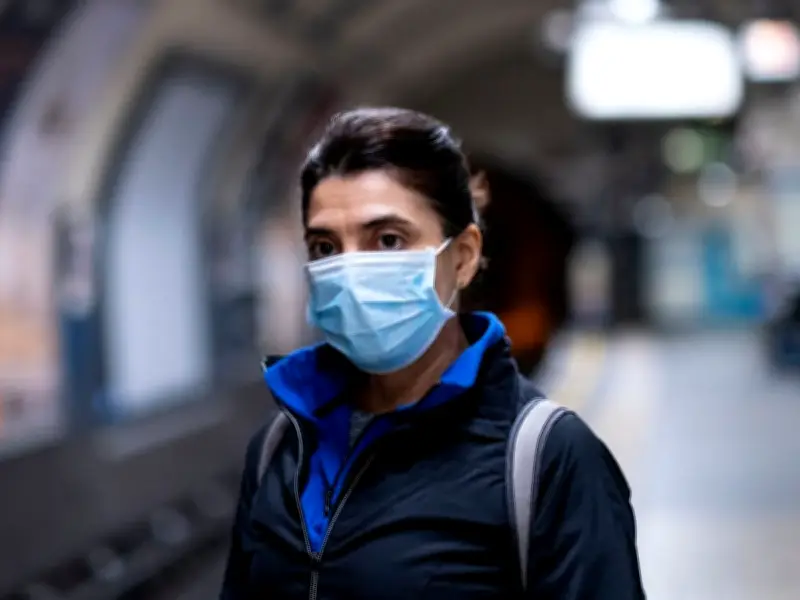
2. Wear a face covering if you have to go out. "Sometimes staying at home isn’t possible. If you have symptoms and need to go out, a well-fitting face covering can help reduce the amount of virus you spread when you cough, sneeze or talk," Dr Donald Grant said. "Try to avoid crowded places, and keep your distance from anyone who may be more vulnerable, such as elderly relatives, pregnant women or people with long-term health conditions."
3. Let fresh air in. Covid spreads more easily in warm, stuffy rooms where the air isn’t moving, Dr Donald Grant says. Opening a window for even ten minutes a few times a day can help clear airborne particles, particularly when you have guests or someone in the house is unwell, he recommends.
"Where you can, choose to meet friends outdoors or in well-ventilated spaces. If you’re exercising, getting outside is a good way to stay active while lowering your risk," he said.
4. Check whether you’re eligible for a Covid vaccine. The NHS autumn Covid vaccine programme is now underway, offering the vaccine to adults aged 75 and over, care home residents and people with a weakened immune system. Vaccination helps reduce the risk of serious illness and hospital admission, Dr Donald Grant says.
"If you’re eligible, it’s worth booking sooner rather than later, as protection takes a couple of weeks to build," Dr Donald Grant said. "You can often have your flu vaccine at the same appointment, so ask your GP surgery or local pharmacy."
5. Wash your hands regularly. Dr Donald Grant said: "It sounds simple, but regular handwashing remains one of the most effective ways to stop germs spreading. Use soap and warm water for at least 20 seconds, especially before eating and after using public transport. Catch coughs and sneezes in a tissue, bin it straight away and wash your hands afterwards. If you’re out and about, hand sanitiser is a useful backup."
6. Know when to seek help. Dr Donald Grant said most people with Covid can manage symptoms at home with rest, plenty of fluids and paracetamol or ibuprofen if needed. Some people with XFG have reported a particularly painful sore throat, and a pharmacist can recommend suitable remedies to ease it.
Contact NHS 111 or your GP if your symptoms are getting worse or you’re worried. If you’re struggling to breathe or have chest pain, call 999 straight away.
He added: "Overall, there’s no need to panic about American Covid, but it is a good reminder that small changes can make a real difference over winter. Staying at home when unwell, letting fresh air in and getting vaccinated if you’re eligible all help protect the people most likely to become seriously ill."




