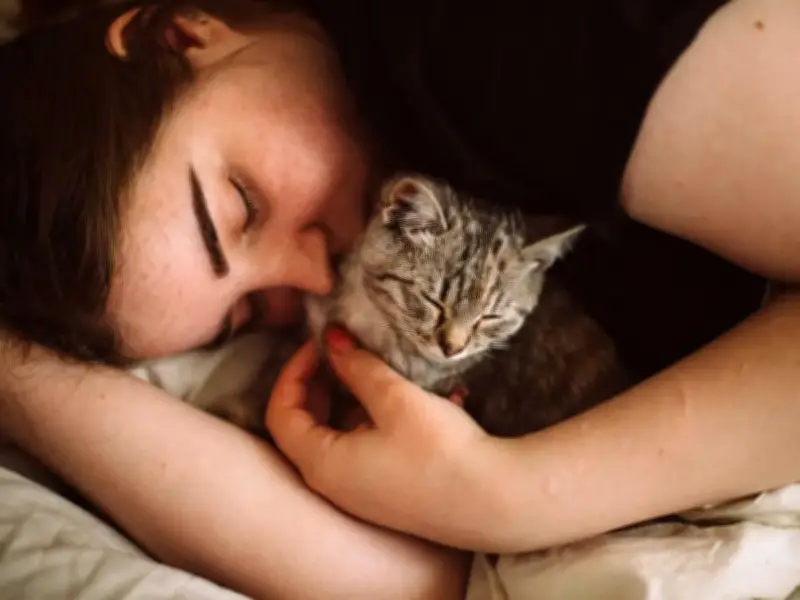
UK cat owners are being urged to look out for six signs of separation anxiety, stress, and loneliness in their pets as millions of people return to full-time office working this autumn. A vet is warning of a spike in feline separation anxiety, a medically recognised condition that can worsen and show itself in several easily identifiable ways.
Six key behaviours to watch for
According to the PDSA Animal Wellbeing Report, 58% of domestic cats are left alone for periods each day. With shorter autumn and winter days meaning even longer stretches spent alone in darkness, Jimmy Bratley, Veterinary Adviser for Feliway, has outlined how to spot whether a cat is genuinely suffering from separation anxiety.
The six main behaviours that indicate separation-related distress in felines are over-grooming, heightened vocalisation especially near doors and windows, alterations in litter tray habits, eating exclusively when owners are present, reduced interest in play, and unwillingness or reluctance to go outdoors.
How long can a cat be left alone?
Although cats are commonly regarded as independent and self-reliant, they still need social interaction and mental stimulation. There is no one-size-fits-all answer to how long they can safely be left alone, as the right amount of time depends on factors including age, health needs, social preferences, and living arrangements.
Age is a particularly important consideration. Kittens need frequent feeding and companionship and should not be left unattended for more than a couple of hours, while older cats may require closer monitoring owing to health issues or medication schedules. Cats with medical conditions that demand regular medication or specialist diets will need more consistent supervision and care.
Living environment and practical advice
Whether a cat is strictly an indoor pet or has access to the outdoors can have a considerable bearing on its needs. While households with several cats may offer additional companionship, they can just as easily create tension if the animals struggle to get along.
Bratley advises: "If you notice signs that your cat is stressed or experiencing separation anxiety, several strategies can help keep them engaged and content." He suggests providing cat-safe toys such as puzzle feeders or balls to encourage natural play behaviours, ensuring designated spaces to scratch and climb, and setting up a bird feeder outside a window to provide interest, while making sure this does not cause frustration.
Background sounds such as music, the radio, or television can offer comfort to some cats, though it is equally important to make certain the cat has access to a quiet, comfortable area where it can rest and relax. The vet surgeon advises: "While every cat has different needs, many struggle when left alone for extended periods. If you are away for more than 24 hours, human interaction is essential."
Professional cat sitters can provide necessary care, ensuring the pet remains entertained and its environment is maintained. If owners are uncertain about appropriate timeframes, they should monitor their cat for signs of stress and adjust arrangements accordingly.