Four groups of people, including pregnant women and children under the age of five, have been warned not to eat certain foods amid an ongoing outbreak of salmonella food poisoning.
The UK Health Security Agency (UKHSA) has declared a national outbreak of salmonella food poisoning which has led to one death and hundreds of people falling ill.
Warning for vulnerable groups
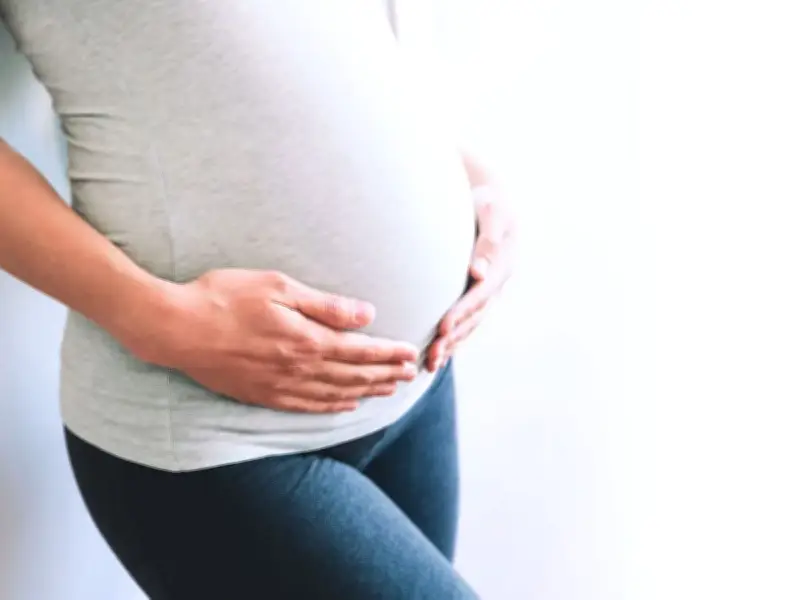
Due to the outbreak, the Food Standards Agency (FSA) has warned that children under the age of five, pregnant women, those over the age of 65 and anyone with health conditions should not consume any food that may contain uncooked eggs.

The FSA told the BBC that those four groups of people should avoid eating any freshly-made products such as mayonnaise, souffle and hollandaise sauce. But the Government agency added that well-cooked eggs in restaurants, cafes and from takeaways were safe to eat.
Imported eggs linked to outbreak
It is understood that the salmonella outbreak is being caused by imported eggs or dishes containing them.
FSA chief scientific adviser Ian Young said: "If people are eating out or consuming eggs or egg-containing products from cafes and restaurants then for those people in particular who are young, elderly, pregnant or vulnerable, it's important to make sure that any eggs or egg products that you consume in those settings have been very well cooked."
But he added that it was fine for people to buy British eggs from supermarkets as chickens bred here are vaccinated against common strains of salmonella. "There is no link to those eggs to this current outbreak."
The outbreak has been described as "unusually large and rapidly increasing", and Mr Young warned "people need to be careful".
Symptoms and treatment
Symptoms typically start within a few hours or days of eating food which caused the infection, however some symptoms do not start for a few weeks. According to the NHS symptoms include: feeling sick or being sick, diarrhoea, stomach pain, high temperature, and feeling generally unwell.
Food poisoning can typically be treated at home and symptoms usually get better within a week. The NHS warns the most important thing is to have lots of fluids in order to avoid dehydration. They also advise to take paracetamol if you are in discomfort and check the leaflet before giving it to children. However they warn against giving children under 12 medicine to stop diarrhoea.