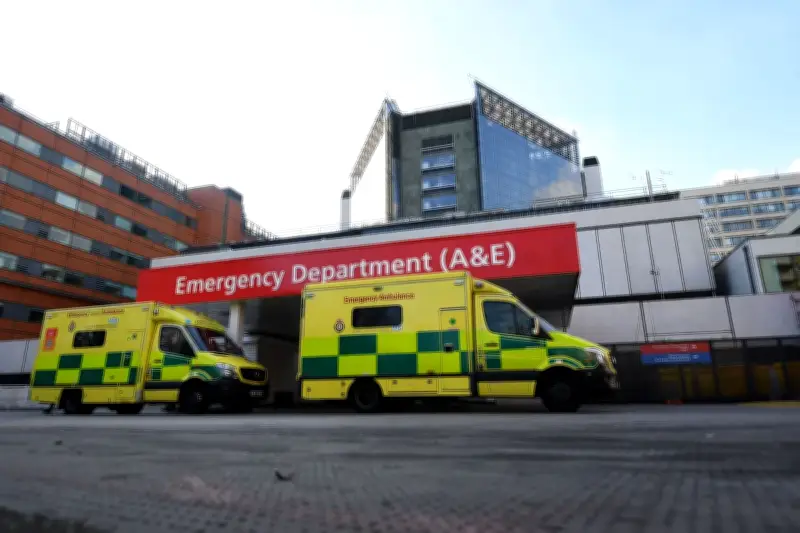
London Ambulance Service (LAS) has declared a critical incident amid an unprecedented surge in respiratory illness, with call handlers logging more than 7,000 calls a day for three consecutive days. The emergency measure was triggered on Thursday after Monday, Tuesday and Wednesday each saw call volumes exceed the 5,500 callouts recorded on a typical busy day.
Call handlers logged 7,326 calls on Monday, 7,366 on Tuesday and 7,369 on Wednesday, a rise of roughly 500 calls a day compared with last week. Chief Operating Officer Craig Harman said crews had seen a 10% increase in life-threatening callouts and a “significant rise” in patients reporting respiratory illnesses, marking a rise of 30% compared with last year.
Earlier-than-usual winter surge
The spike has arrived earlier than usual for the winter season and has been largely attributed to colds and flu leaving Londoners sicker than previously seen, particularly among the elderly, very young and vulnerable. Colds and flus, both viral respiratory infections, can leave patients feeling as though they cannot breathe.
London had one of the lowest emergency respiratory admission rates among NHS England regions in the year ending 2025, but government data suggests influenza, cold and respiratory syncytial virus are rising from baseline levels nationwide. As of November 15, 11.4% of people tested for influenza had a positive reading.
Vaccine uptake and system pressure
The LAS believes the early surge will provide “an opportunity for people to do more to protect themselves”, including extra time to sign up for flu and Covid-19 vaccines and to stock up on medications before winter officially gets underway. NHS data shows a slower uptake of the flu vaccine this year across the UK, with some 331,000 fewer eligible people having received the jab compared with this time last year.
With healthcare systems across the capital under strain, Mr Harman urged people to only use A&E services when it is a life-threatening emergency. “The whole urgent and emergency care system in London is under pressure,” he said. “So in addition to asking Londoners to use the ambulance service wisely, I’m also asking Londoners not to attend the emergency department unless they are in a life-threatening emergency too.”
Extra ambulances and hospital handovers
Declaring a critical incident has allowed the LAS to suspend non-essential activities and redeploy clinically trained managers into frontline, patient-facing roles. Between 40 and 50 extra ambulances have been made available from Thursday, contributing 500 extra ambulance crew hours and helping to alleviate some of the pressure.
Hospital handover delays have historically slowed down ambulance services and response times, with crews unable to get back on the road after transporting patients. Mr Harman admitted that ambulances do get held up at hospitals, but the LAS works with individual trusts to keep that to a minimum. “Whilst we do see hospital delays, we don’t see hospital delays like have been reported from around the country,” he said.
He noted that most ailments and illnesses can be better resolved by contacting NHS 111, a GP or a pharmacy. However, London GPs have warned that telling patients to see a GP is easier said than done, especially amid the cold snap. Dr Naveed Asif, a GP at The London General Practice, said the number of emergency callouts could be exacerbated by a struggle to secure a GP appointment. He explained: “We usually see a surge in respiratory illness at this time of year, but callouts and attendances through unscheduled care have been increasing year on year. Access to timely GP appointments has become more difficult over the last few years because of the pressure on and underfunding of primary care.”