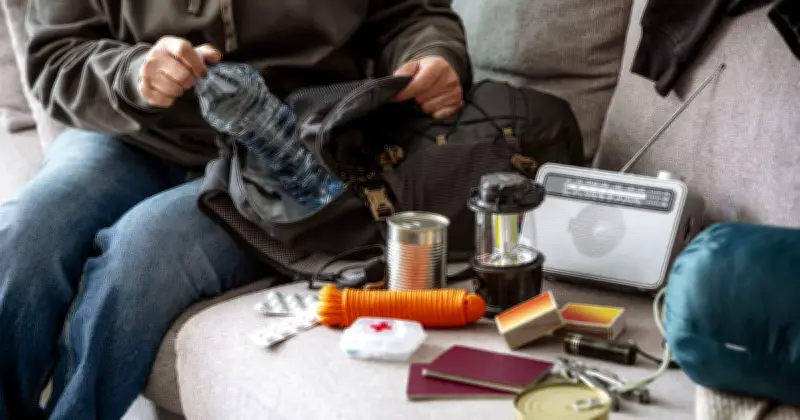
The British Red Cross has urged households to take three key steps to be ready for the first 72 hours of an emergency: prepare an emergency kit, have and discuss an emergency plan, and stay informed.
The charity advises that an emergency kit should include food, water, important documents, a torch, spare batteries, and chargers for electronic devices. It also encourages people to think about what they would do if they had to stay at home without power or water, or if they needed to leave home quickly.
Making a Plan and Staying Informed
Discussing specific emergencies in advance can help everyone understand what to do if something unexpected happens. The Red Cross suggests making sure family members know where important items are kept, how to contact each other, and where important information is stored. It also advises keeping important phone numbers somewhere accessible in case a phone battery runs out.
To stay informed, the charity recommends signing up for flood alerts and weather warnings from the Met Office, as well as joining the Priority Services Register if eligible.
Government's Be Ready Campaign
Laura Scott, British Red Cross Director for UK Resilience, said: "We can’t control when emergencies happen, but we can all take some simple steps to be prepared, so that when they do, we are ready to help our friends, families and neighbours."
She added: "We know from our work across the UK that local people know their communities best and want to play a part when a crisis happens. Having clear and trusted advice for people, especially those who may be more at-risk, could help reduce the impact of crises and even save lives."
This comes amid the Government's Be Ready Campaign, which aims to help Brits prepare for emergencies such as severe weather and cyberattacks. The checklist includes water, food, hygiene products, torches, batteries, blankets, warm clothes, radios, power banks, money, important documents, first aid kits, medical supplies, and items for babies and pets.
Building the Kit Gradually
The campaign advises checking cupboards first to see what essentials are already at home, then planning for the household by noting what is still needed, such as medical supplies, baby formula, or pet food. It suggests picking up missing items during regular shopping trips to spread the cost and setting a reminder every six months to check expiry dates and update the kit if household needs change.
The campaign also encourages connecting with the community by talking to neighbours about what extra support might be shared during an outage and swapping contact details.