
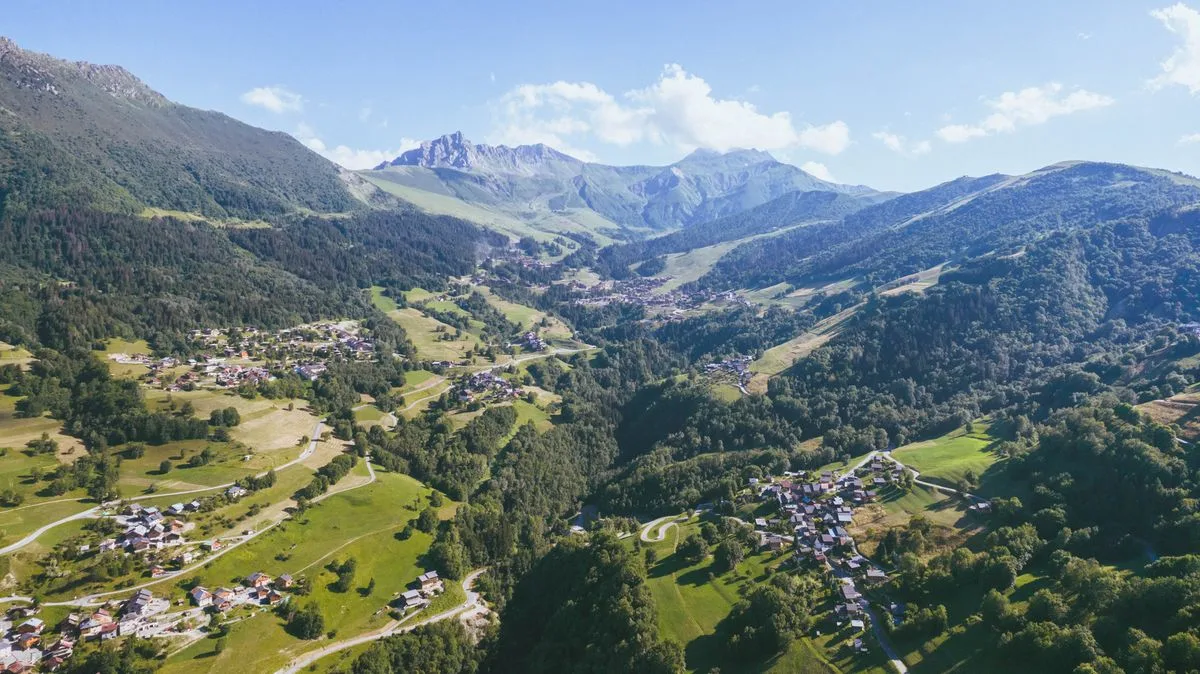
British holidaymakers heading to the French Alps this summer have been warned about a surge in tick-borne encephalitis (TBE) cases. Public Health France has reported 61 cases of the rare but potentially fatal disease contracted in France, with the Auvergne-Rhône Alpes region now a key area of circulation. The Haute-Savoie department has seen the highest number of cases, with infections also emerging in Ardèche.
TBE affects the brain and central nervous system, with an incubation period of one to two weeks. Initial symptoms include fever, headache, and chills, similar to flu. In severe cases, it can lead to meningitis, encephalitis, or meningoencephalitis. Over a third of recent cases resulted in meningitis, while 38% developed encephalitis. Hospitalisation rates have reached 94%, though no deaths have been reported.
The disease is transmitted through tick bites, often during activities like camping, hiking, or mushroom picking in wooded areas up to 1,500 metres altitude. It can also be contracted by consuming raw dairy products. Authorities advise wearing protective clothing and checking for ticks after outdoor activities, especially for children.
Brits travelling to the region should be vigilant between spring and autumn. Severe symptoms, including confusion, seizures, or loss of consciousness, require immediate emergency medical attention.




