
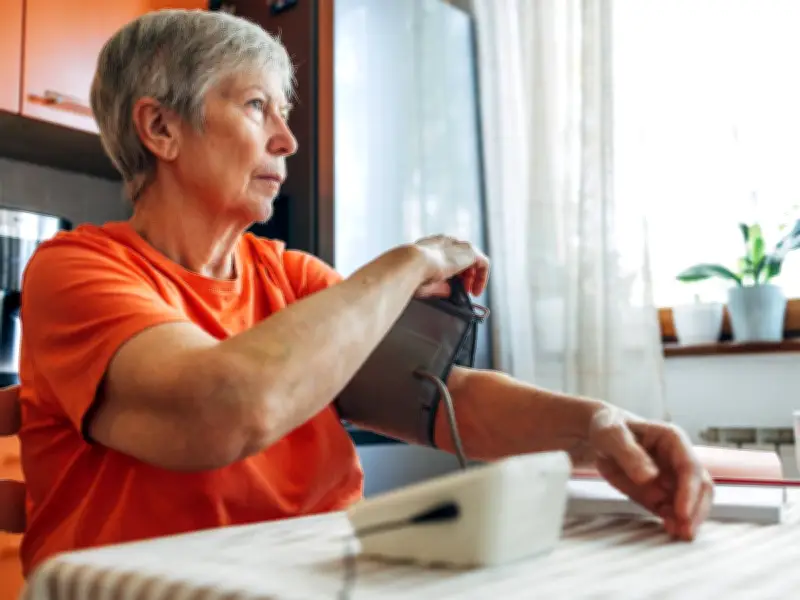
A study from University College London (UCL) suggests that simply increasing the thermostat in your home could significantly reduce the risk of high blood pressure. Published in the Journal of Hypertension, the research found a clear link between cooler indoor temperatures and elevated blood pressure levels. For every 1°C drop in indoor temperature, systolic blood pressure rose by 0.48 mmHg and diastolic by 0.45 mmHg.
Impact of Indoor Temperature on Hypertension
High blood pressure, or hypertension, is a major risk factor for strokes, heart attacks, and vascular dementia. The study indicates that indoor temperature may be as influential as diet in developing hypertension. Dr Stephen Jivraj, senior author, stated: "Our research has helped to explain the higher rates of hypertension, as well as potential increases in deaths from stroke and heart disease, in the winter months." He added that indoor temperatures should be considered in diagnosis, treatment, and public health messages.
Recommendations for a Healthier Home
While the study does not specify an exact ideal temperature, researchers recommend keeping living spaces at a minimum of 21°C. Co-author Hongde Zhao from UCL's Institute of Epidemiology and Health Care noted: "We would suggest that clinicians take indoor temperature into consideration, as it could affect a diagnosis if someone has borderline hypertension, and people with cooler homes may also need higher doses of medications."
Other Risk Factors for High Blood Pressure
According to the NHS, major risk factors include age, family history, ethnicity (Black African, Black Caribbean, or South Asian backgrounds), unhealthy diet high in salt, being overweight, smoking, excessive alcohol consumption, and long-term stress. Blood pressure is considered high if readings are 140/90 or higher when checked by a professional, or 135/85 or higher at home. The NHS recommends a healthy diet, regular exercise, and weight loss to reduce risk.




