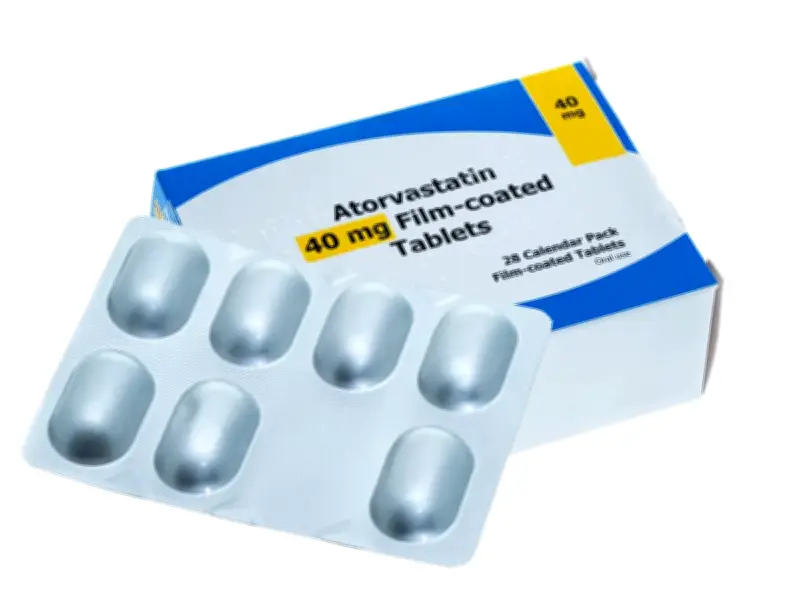
Pharmacist Raj Patel is urging people who take atorvastatin to ask a specific question if they think they may be having a reaction to the medication. More than five million people in the UK take atorvastatin for conditions including high cholesterol and heart disease, with over 78 million items of the drug dispensed in England in the year 2025/26.
Side effects 'worth knowing'
Posting on TikTok, Patel advises: "You're taking atorvastatin and wondering which side effects are actually worth knowing? Let me separate the everyday ones from the ones you simply shouldn't ignore. Most people taking atorvastatin tolerate it well, but side effects can still happen."
He continues: "Some people report things like headache, nausea, indigestion, diarrhoea, muscle and joint pain. Here's the important part - a symptom appearing while taking atorvastatin doesn't automatically prove the statin caused it."
"Timing matters, other medicines matter, and other health problems can matter too. If a new symptom is persistent, troublesome, or started after beginning the atorvastatin or increasing the dose, speak to your pharmacist or prescriber."
Symptoms to take 'more seriously'
He goes on to share symptoms "you should take more seriously": "Unexplained muscle pain, tenderness, or weakness, particularly if severe, or your urine is darker. This needs prompt medical attention. And yellowing of your skin or your eyes can be the sign of a severe liver problem. This needs urgent assessment too."
"My pharmacist tip is: don't ignore a possible side effect, but don't diagnose yourself from the leaflet either. Report it, review it, then decide what happens with your healthcare professional."
The 'useful question'
Expanding on his video in the comments, Patel explains "the useful question": "Most people tolerate atorvastatin well, but side effects can happen. The useful question is not simply 'is this symptom on the leaflet'. It is 'when did it start, how severe is it, is it getting worse, and could anything else explain it?'"
Some reported atorvastatin side effects include headache, dizziness, nausea, indigestion, diarrhoea, constipation, muscle aches, and swollen or aching joints. If a symptom is mild but bothers you or does not settle, speak to your pharmacist or prescriber.
He says not everyone gets symptoms and having them "does not automatically prove the medicine caused it". He adds: "Does muscle pain mean atorvastatin is damaging my muscles? Not automatically. Exercise, injury, infections, thyroid problems, and other medicines can also cause muscle symptoms, but unexplained muscle pain, tenderness, cramps, or weakness, especially if severe, should be checked promptly."
Red or brown urine, a high temperature, or marked weakness alongside muscle symptoms needs urgent NHS advice.
Liver problems and stopping medication
Raj adds: "Serious liver problems are uncommon, but yellowing of the skin or whites of the eyes needs urgent assessment. Yellowing may be harder to see on brown or black skin, so also pay attention to the whites of the eyes and other concerning symptoms."
He advises people not to stop taking the medication if they get side effects unless a healthcare professional tells them to. He adds: "Atorvastatin may have been prescribed to reduce your risk of heart attack or stroke. A review can look at the timing, your dose, other medicines, health conditions, and whether blood tests or a treatment change are needed."
He also set out times to seek urgent help, advising: "Call NHS 111 if you think you may be having a serious atorvastatin side effect. Call 999 for signs of a severe allergic reaction, such as difficulty breathing or swelling of the throat or tongue."
Pharmacist checklist for patients
The pharmacist also set out his "checklist" for patients with symptoms:
- write down the symptom and when it began
- note whether your dose or another medicine changed
- describe how severe it is and what it stops you doing
- ask for a medication review
- do not diagnose yourself from a long leaflet list