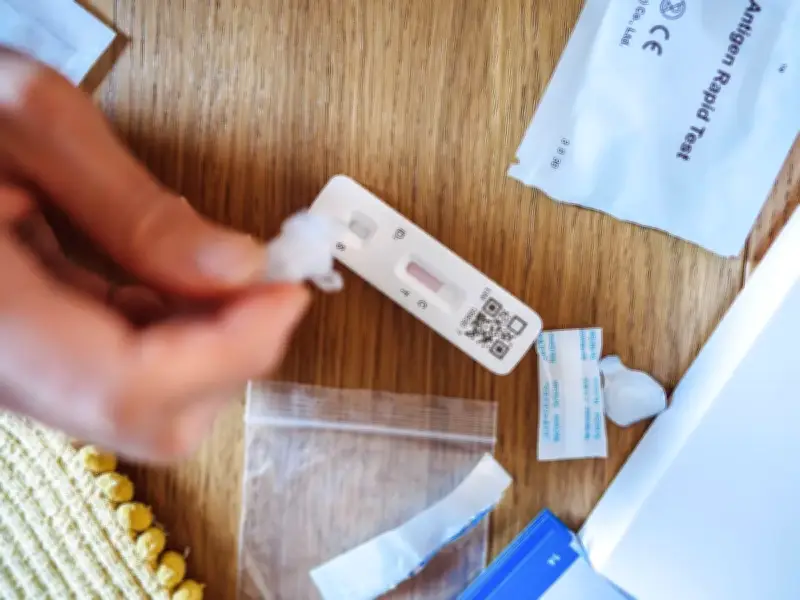
A pharmacist is urging people to prepare a six-item 'sick day kit' at home this autumn and winter as 'American Covid' – the media nickname for the XFG (Stratus) variant, a sub-variant of the Omicron strain of SARS-CoV-2 – continues to dominate UK health headlines. The variant earned its name because it was initially sequenced and spotted in North America, where it became the prevailing strain.
Fresh health data shows a dramatic surge in infections and hospital admissions, sparking fears about winter pressures on the NHS. The UK Health Security Agency (UKHSA) reports that the XFG strain now makes up more than half of all sequenced positive cases across England.
Cases and hospitalisations soar
Monthly UKHSA figures showed that logged Covid cases rocketed by 230%, rising from 1,374 in August to 4,589 in September. Hospital admissions for Covid patients soared by more than 420%, leaping from 950 to nearly 4,939 within a month.
However, the UKHSA has stated there is no data or evidence indicating the XFG strain triggers more serious illness than earlier variants. The variant is not a sudden mutation; it has been spreading globally and throughout the UK in some form for more than a year.
What's in the six-item kit?
The pharmacist recommends putting together a 'sick day kit' to keep at home during the upcoming months, as cold and flu activity usually peaks between December and February. The kit includes throat spray, lozenges, saline rinses, a thermometer, pain relief, and COVID tests.
Hanna Yusuf, Prescribing Pharmacist at Chemist4U, said: "Keep throat spray, lozenges, saline rinses, a reliable thermometer, pain relief, and a few COVID test kits ready at home. This saves panic trips to the pharmacy when you feel unwell."
Having a well-prepared home medical kit allows people to tackle symptoms immediately, keep tabs on their illness, and stop contagious bugs from spreading without venturing out when unwell. It also means symptoms can be addressed the instant they emerge, and vulnerable members of the public are not put at risk.
How to stay safe as cases rise
Hanna's key recommendations for staying safe this winter include keeping up with vaccinations, responding swiftly if you are high risk, and not dismissing changes in your throat. She encourages people to use a thermometer and keep a timeline, as well as consulting a pharmacist, "not just the internet".
She explained: "If you're eligible for COVID boosters or the flu jab, book it early. Usually, protection takes about two weeks to build." She also stresses the importance of staying alert to sore throat warning signs, such as pain, scratchiness, or irritation that typically worsens when you swallow, advising people to rest and test rather than battle through.
"Flu symptoms usually hit hard within 24 hours, whereas COVID can build over several days, although it isn't always possible to tell which infection you have based on symptoms alone. Tracking how your symptoms develop can help you work out which you might have, and when you're most infectious," she added.
Those with a long-term health condition, who are pregnant, or aged over 65 should not wait until day five before seeking assistance. Early antiviral treatment can prove helpful, but it works best when begun without delay. She added: "While there is a lot of helpful information online, pharmacists can advise on symptom management, check medication suitability, and help you access vaccines or treatment quickly, often without needing a GP appointment."