
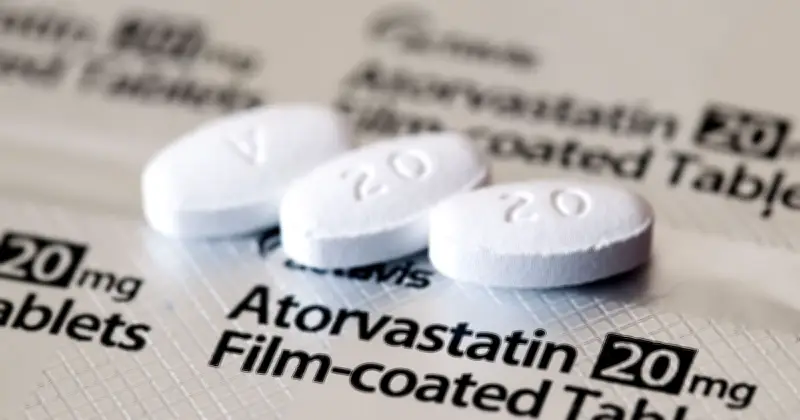
People taking atorvastatin have been warned not to stop their tablets themselves if they experience nosebleeds, a little-known symptom listed as a possible side effect of the cholesterol-lowering medication.
Raj Patel, known on TikTok as the 'Straight-Talking Pharmacist', issued the warning in one of his latest videos. Nosebleeds happen when tiny blood vessels inside the nose break. The NHS says they are "not usually a sign of anything serious" and are more common in children, but they are also listed as a possible side effect of atorvastatin.
What the pharmacist said
Patel encouraged patients to consider whether the bleeding had started recently, was becoming more frequent or was harder to stop. In his video, he said: "So a nosebleed does not prove atorvastatin is the cause."
He also listed other possible explanations, including irritation inside the nose, colds, allergies, changes in temperature or humidity, high blood pressure and medicines that affect blood clotting. His advice is not to stop treatment without speaking to a healthcare professional.
"Don't stop atorvastatin yourself because of a nosebleed," Patel warned.
Why atorvastatin is prescribed
Atorvastatin is used to lower cholesterol and reduce the risk of cardiovascular problems, including heart attacks and strokes, in people who need it. The NHS says patients should keep taking the medicine unless their doctor advises them to stop, as cholesterol levels may rise again after stopping.
Nosebleeds, medically called epistaxis, are listed as a common side effect in UK atorvastatin product information. Common in medicine information means it may affect up to 1 in 10 people, although that does not mean atorvastatin is responsible for every nosebleed that happens while somebody is taking it. The NHS also lists blocked or runny nose and nosebleeds among possible atorvastatin side effects.
When to seek help
Anyone experiencing repeated or persistent nosebleeds should speak to a pharmacist or GP and mention any other medicines they take. This is particularly important for people using medicines such as warfarin or clopidogrel, which affect blood clotting.
NHS advice is to go to A&E if bleeding continues for more than 10 to 15 minutes, is excessive, or is accompanied by weakness, dizziness or difficulty breathing.
Patel advised people to take changes seriously without assuming their medication is definitely responsible. As he put it: "A new symptom doesn't automatically mean your medicine caused it - but your medication list should never be ignored when something changes."
Anyone who suspects a side effect should get advice from a pharmacist or doctor before making changes to their prescription. Patients should not stop atorvastatin on their own simply because a nosebleed occurs.




