People aged 65 and over are being urged to set their heating to a minimum of 18C this winter to stay warm and protect against cold-related illnesses. The advice comes from both the NHS and the Met Office as colder air, brisk winds and rain showers move across parts of the UK.
The Met Office has warned that this weekend may bring "a brief hint of winter" in some northern parts of the UK. More unsettled weather is expected heading into next week, particularly in northern and north-western areas, with strong winds and frequent downpours forecast.
Why 18C matters for over 65s
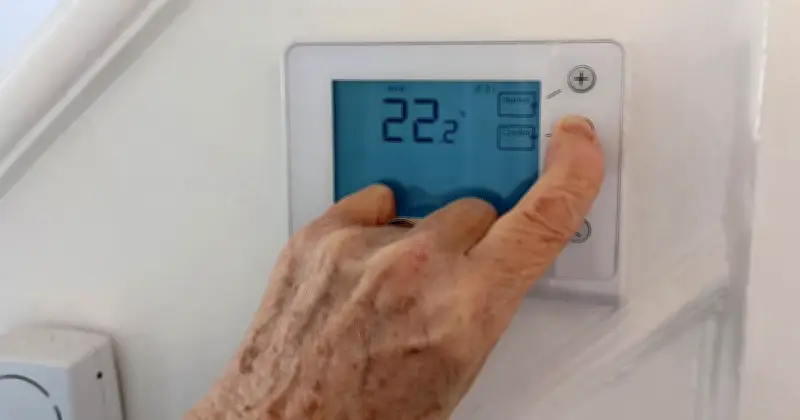
Keeping the home at a minimum of 18C can help fend off winter bugs, including colds, flu and Covid, as well as more serious health problems like pneumonia, heart attacks, strokes and depression. Older people, as well as those with health conditions and people who are not very mobile, are urged to keep their thermostat set to at least this temperature at all times, both day and night.
In its winter advice, the Met Office says: "The cold thickens blood and increases blood pressure, and breathing in cold air can increase the risk of chest infections. So it's all the more important to ensure your home and the homes of people you look out for are the right temperature."
Practical tips to retain heat
If you do not want to heat the whole house, you can opt to heat only the rooms you use most often, such as the living room or bedroom. Keeping windows closed overnight, drawing curtains at dusk, and using draught excluders to seal gaps around windows and doors can help retain warmth. Radiators should not be blocked by furniture or curtains.
The Met Office adds: "Ideally, you should heat your home to a temperature of at least 18C. This is particularly important if you have reduced mobility, are 65 or over, or have a health condition, such as heart or lung disease. Having room temperatures slightly over 18C could be good for your health."
Staying active and warm
Met Office advice also recommends staying active during cold weather, even if stuck indoors due to snow and ice, as this helps the body keep warm and stave off winter illnesses. Aim to get up and walk around at least once every hour, and eat at least one hot meal per day alongside regular hot drinks.
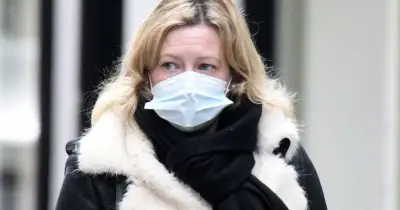
If heading outside in cold weather, the NHS suggests wearing a scarf over the mouth like a face mask to help protect against the cold. This allows air to warm up before being breathed in, reducing the risk of asthma symptoms being triggered.