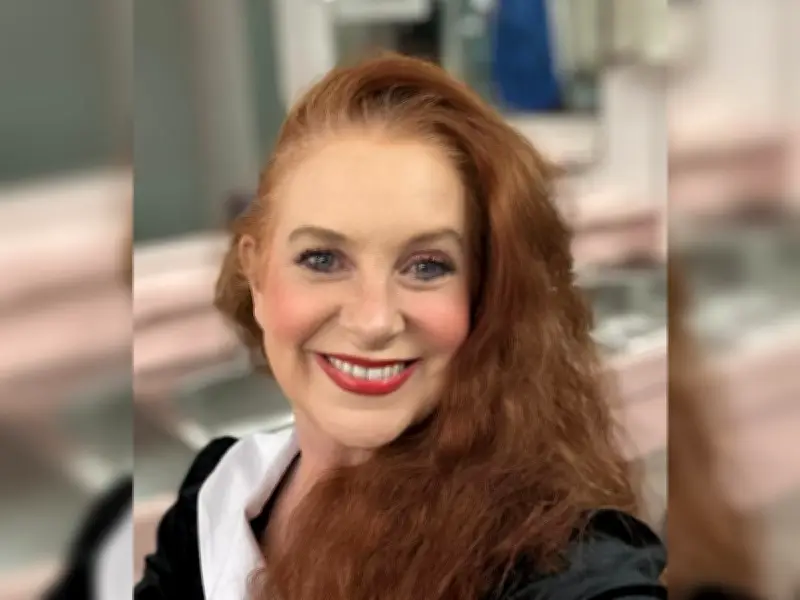
Jacqui Padden, a 54-year-old mother from Ormskirk, was diagnosed with stage three melanoma after a dermatologist took one look at a mole on her ankle and said it needed to come off immediately. The word 'melanoma' was terrifying, she said.
Padden had a shiny mole on her right ankle for years and thought nothing of it. However, her eldest son Steven, 33, repeatedly urged her to get it checked as it began to change. Three years ago, the mole became itchy and started to bleed.
“I’d had a shiny mole on my right ankle for years and never thought much of it,” Padden said. “My son Steven kept telling me to get it checked because it looked different. I was reassured on two separate occasions that it looked fine, so I wasn’t worried at all. But then as more time passed it changed colour, became increasingly itchy and eventually started to bleed. Then in March 2023, a dermatologist took one look and said it needed to come off immediately. That’s when I first heard the word melanoma.”
Melanoma Risk and Diagnosis
Melanoma is a type of skin cancer that can spread to other parts of the body. The main cause is ultraviolet (UV) light from the sun or sunbeds, but people who don’t use sunbeds, like Padden, can still develop it. According to Cancer Research UK, anyone can get skin cancer, but those with lighter skin tones, light-coloured hair or eyes, many moles or freckles, or a family history of skin cancer are at higher risk.
Signs of skin cancer include a new mole or changes to an existing mole’s size, shape, or colour. Other symptoms can include a sore that doesn’t heal, a lump, an ulcer, or an unusual patch of skin.
In May 2023, Padden underwent a wide local excision, a skin graft from her thigh to her ankle, and removal of two lymph nodes from her groin. Tests revealed the cancer had spread to her lymph nodes, upgrading her diagnosis to stage three melanoma.
“It was terrifying,” she said. “I started Googling melanoma and realised this was far more serious than I had ever understood. There is so much confusion around skin cancer. People often think it’s one of the 'better cancers' to have, but melanoma can be life-threatening if it isn’t caught early.”
Living with the Aftermath
As a result of surgery, Padden developed lymphoedema in her ankle and lower leg. She continues to live with physical and emotional effects. “I’d be lying if I said cancer hasn’t affected me. My confidence took a knock because of the scarring and the changes to my leg. I also live with the uncertainty that melanoma can return. That never leaves you. But it has also made me more aware of my body and how important it is to pay attention to changes. The longer you live with melanoma, the more you realise how important early diagnosis is.”
Padden, who has light skin, freckles, and red hair, wants everyone to take sun protection seriously. “I don’t sunbathe and I’ve never used sunbeds, but melanoma can still happen. That’s why I want people to take simple precautions.”
Sun Safety Advice
Padden has partnered with Cancer Research UK and NIVEA Sun to share sun safety tips. She recommends three steps: seek shade between 11am and 3pm in the UK; cover up with clothes, a wide-brimmed hat, and UV protection sunglasses; and apply sunscreen with at least SPF 30 and 4 or 5 stars, reapplying regularly.
Nearly nine in 10 melanoma cases in the UK are caused by UV exposure from the sun and sunbeds, so staying safe in the sun is key to reducing risk.
Now three years post-treatment, Padden remains under regular surveillance with scans, ultrasounds, and skin checks. “Thankfully, everything is going well at the moment and I’m grateful for the support of my family, friends and medical teams. I’m living life to the full, but my main goal is raising awareness. If sharing my story encourages even one person to get changes to their skin checked sooner, then it’s worth it.”
As summer approaches, Padden urges people not to underestimate sun exposure dangers. “It’s second nature to me to make sure I’m covered up, take time out in the shade in the middle of the day, and always have a hat, sunglasses and sunscreen with me. To avoid getting caught out, people can check the UV index on their phone’s weather app. If it’s 3 – moderate - or above, it’s time to think about sun safety. Your skin is your body's biggest organ. Look after it. Prevention is always better than treatment and catching melanoma early can make all the difference.”