
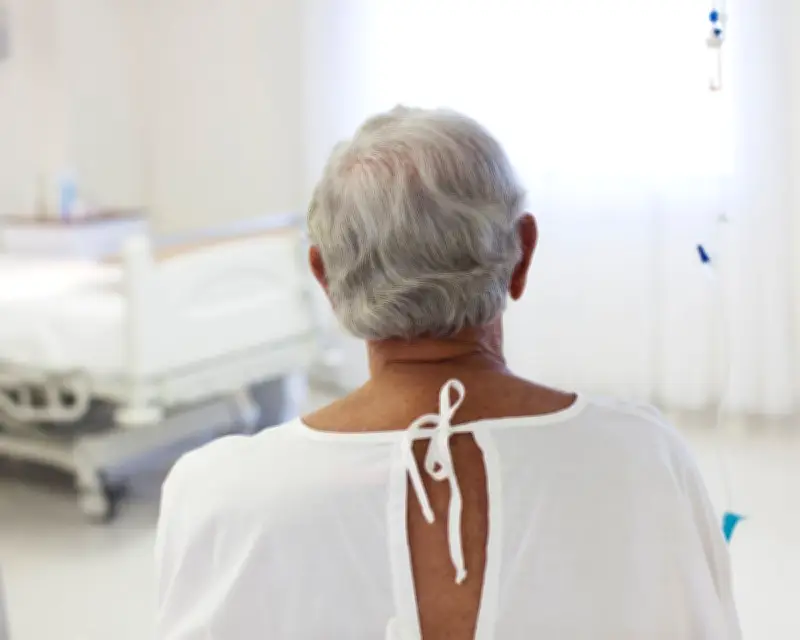
One person a week in England dies with undiagnosed and untreated tuberculosis (TB), according to a new study published in the journal Thorax. Researchers found that British-born, older men are among those most likely to have the disease diagnosed only after death, suggesting healthcare workers may be overlooking the possibility of TB in these patients.
Postmortem TB Diagnosis Called a 'Never Event'
The study's authors describe a postmortem TB diagnosis as a 'never event' that should prompt urgent investigations, calling it 'the ultimate diagnostic delay.' Dr. Eleanor Morgan, co-author and resident doctor at Liverpool University Hospitals NHS Foundation Trust, said: 'As TB rates continue to rise, we need to keep asking: “Could this be TB?”, even in people who do not fit the usual risk profiles.'
TB Rates at 10-Year High in England
Tuberculosis rates in England are at a 10-year high, with 9.4 cases per 100,000 people in 2024. This is just below the World Health Organization's 'low incidence country' threshold of 10 cases per 100,000—a level expected to be breached when 2025 figures are published. Most TB cases are diagnosed in people born outside the UK, with an average age of 36. However, those diagnosed after death tend to be older and British-born.
Risk Factors for Postmortem Diagnosis
The likelihood of postmortem TB diagnosis is greater in people who live outside London and have a history of drug or alcohol misuse. Children under four years old are also at higher risk, possibly due to underdeveloped immune systems, non-specific symptoms, and challenges in obtaining samples for testing.
Global Context and Prevention
Tuberculosis is the world's biggest infectious disease killer, with 1.23 million deaths and an estimated 10.7 million cases globally in 2024. It is preventable and treatable with special antibiotics. Recent advances have reduced treatment duration, even for drug-resistant forms. Dr. Tom Wingfield, senior author from the Liverpool School of Tropical Medicine, suggested that TB deaths should be treated like those from superbugs such as MRSA—as 'never events' that trigger root cause analysis to prevent future deaths.
Impact of Delayed Diagnosis
Dr. Wingfield noted that the rise in TB rates is concerning but not a cause for panic. 'TB is preventable, treatable and curable,' he said. 'TB deaths should trigger learning, not blame, so that services can identify where opportunities were missed and prevent the next avoidable death.' The researchers acknowledged limitations in their data, noting it was unclear whether people died from TB or with TB from other causes. Dr. Paul Cleary, consultant epidemiologist at the UK Health Security Agency, said either scenario 'might represent missed opportunities to identify and treat the disease earlier, as well as to prevent possible transmission to others.'
Pandemic Disruption and Aid Cuts
Disruption to TB detection and treatment programmes during the Covid-19 pandemic led to a resurgence of the disease. Experts fear that aid cuts by the US and other donors may have a similar impact.




