
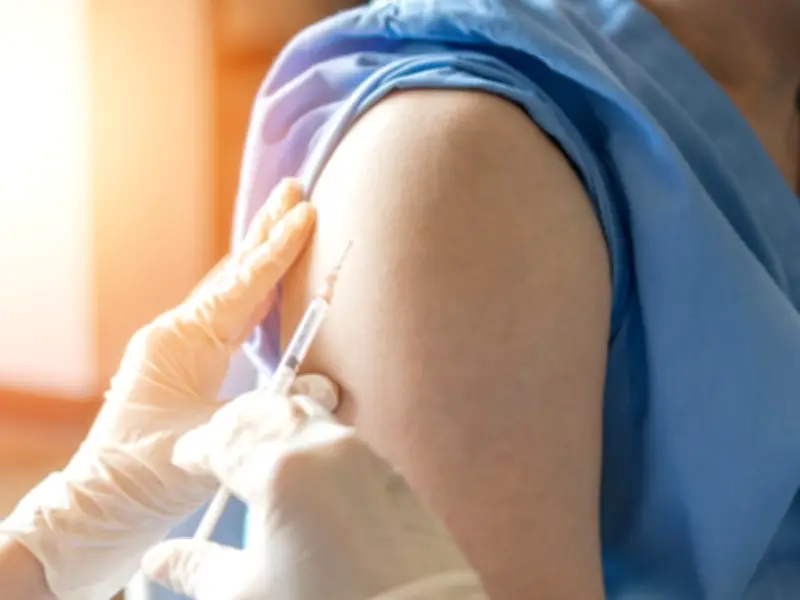
The UK government is launching a large-scale vaccination programme offering the meningitis B (MenB) vaccine to nearly one million young people. This initiative follows a serious outbreak in Kent in March that tragically resulted in the deaths of two teenagers.
Who Is Eligible for the MenB Vaccine?
The one-off programme targets Year 13 pupils aged 17 and 18, as well as individuals under 25 who are starting university or other residential further education this autumn. Eligible individuals will receive their first dose from July 20 and a second dose in August. Full protection requires two doses administered at least 28 days apart.
Background of the Outbreak
The new vaccination push comes months after a series of meningitis outbreaks, with the most severe occurring in Kent in March. Eighteen-year-old Juliette Kenny died in that outbreak, and her family has campaigned for routine access to the MenB vaccine for teenagers and young people. Following the outbreak, several smaller clusters of meningitis in young people have been reported, exceeding expected numbers.
How to Get the Vaccine
Year 13 pupils will be contacted via the NHS app, text, or letter to come forward for the Bexsero jab, manufactured by GSK. Those under 25 can book appointments directly with pharmacies. The government stated that anyone finishing Year 13 this summer and born between September 1, 2007, and August 31, 2008, is eligible, regardless of whether they are attending university. Individuals who miss the second August dose due to holidays can still receive it in September. Community pharmacists are delivering the programme.
Increased Risk for University Students
According to the UK Health Security Agency (UKHSA), the risk of MenB among first-year university students is substantially higher than for non-students. Close and prolonged contact in halls of residence, shared homes, and social events can increase the risk of contracting MenB.
Government and Health Officials' Statements
Secretary of State for Health and Social Care, James Murray, said: "The Kent outbreak and recent clusters indicate a possible change to the way MenB affects people. While we assess the latest evidence, we are acting now to help protect young people at highest immediate risk as they enter university and residential colleges this autumn." He added: "By offering two doses of the jabs ahead of the academic year, we will help reduce the risk of serious illness and larger outbreaks of this horrendous disease. I urge all those students who are eligible to come forward for their two doses in July and August, to give them peace of mind as they head off to continue their studies."
Deputy Chief Medical Officer Dr. Thomas Waite commented: "Meningococcal B disease is a rare but very serious infection which is fatal in up to 10% of cases and can cause lifelong injury. There has been an increase in clusters of disease this year, and so this one-off programme is designed to provide direct protection to those at highest immediate risk, which is typically when students travel from across the country to attend university and further education for the first time." He emphasized that two doses at least four weeks apart are needed for maximum protection and encouraged all eligible students to come forward for their first dose as soon as possible.
The MenB vaccine has been offered to infants on the NHS since 2015, meaning most current university students are not covered against the potentially deadly bacteria.




