
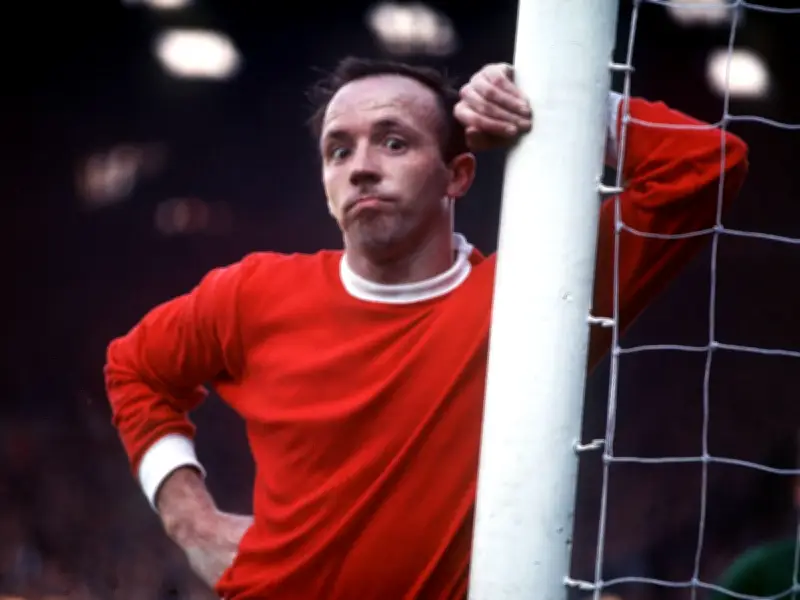
Manchester United and England legend Nobby Stiles died with a traumatic brain injury linked to repeatedly heading footballs, a coroner has ruled, ordering a full inquest into his death. The 1966 World Cup winner, who passed away in October 2020 at age 78, was found to have chronic traumatic encephalopathy (CTE), a degenerative brain condition associated with head trauma. His son John has previously claimed that football “killed” his father.
Coroner's Findings and Full Inquest Ordered
At Stockport Coroner’s Court, Area Coroner Chris Morris for Greater Manchester South stated that a neuropathology expert, Dr Daniel du Plessis, examined Stiles’s brain samples and medical records. Dr du Plessis concluded that Stiles’s cause of death was Alzheimer’s disease, but it was contributed to by high-stage CTE, along with “stage three limbic predominant age related TDP-43” and small vessel cerebrovascular disease.
Mr Morris said: “On the basis of that cause of death, particularly the inclusion of a traumatic injury included in the cause of death, I’m satisfied an inquest is required into the sad death of Mr Stiles.” He noted that for reasons “not entirely clear,” Stiles’s death was not initially reported to the coroner’s office; the investigation began only after information from the family. A full inquest hearing is scheduled for July 15 at the same court.
Family Campaign and Legal Action
Stiles’s son John, who heads the Football Families for Justice (FFJ) group, has long argued that football authorities failed to protect players. John previously stated that his father was forced to sell his World Cup winner’s medal to fund dementia care. The FFJ is among dozens of former players and families suing the Football Association (FA), the Football Association of Wales, and the English Football League, alleging negligence and breach of duty of care regarding head injuries.
Lawyers for the claimants have said football bodies knew or should have known that repeatedly heading a ball in training and matches was likely to cause brain injuries, with risks known for decades. In March, FA lawyers told the High Court that it has “not been established by science” that heading or occasional concussion can lead to permanent brain damage.
Previous Inquest and Research
In January, an inquest into the death of former Scotland, Manchester United, and Leeds United defender Gordon McQueen, 70, found that heading the ball was “likely” to have contributed to a brain injury. McQueen was also diagnosed with CTE. His daughter, TV presenter Hayley McQueen, said England’s 1966 World Cup winning team had been “pretty much wiped out” by neurodegenerative disease.
A 2019 study co-funded by the FA and the Professional Footballers’ Association (PFA) found that footballers were three-and-a-half times more likely to die from neurodegenerative disease than age-matched members of the general population. In response, the FA is phasing out heading in youth football for under-11s by 2026.




