The Public Health Agency (PHA) in Northern Ireland has confirmed 21 cases of mpox, formerly known as monkeypox, in the last three weeks, prompting a plea for eligible individuals to get vaccinated before the summer holidays. This marks a significant increase from the nine cases reported in the region since 2023, according to the BBC.
Symptoms and Vaccine Eligibility
The PHA is urging the public to learn the symptoms and remain vigilant. Key signs include a rash with blisters, aches, fever, and swollen glands that can last up to three weeks. The NHS lists initial symptoms as high temperature, headache, muscle aches, backache, swollen glands, shivering, exhaustion, and joint pain. A distinctive rash typically appears one to five days after other symptoms, sometimes mistaken for chickenpox, starting as small raised spots that turn into fluid-filled blisters and eventually scab over.
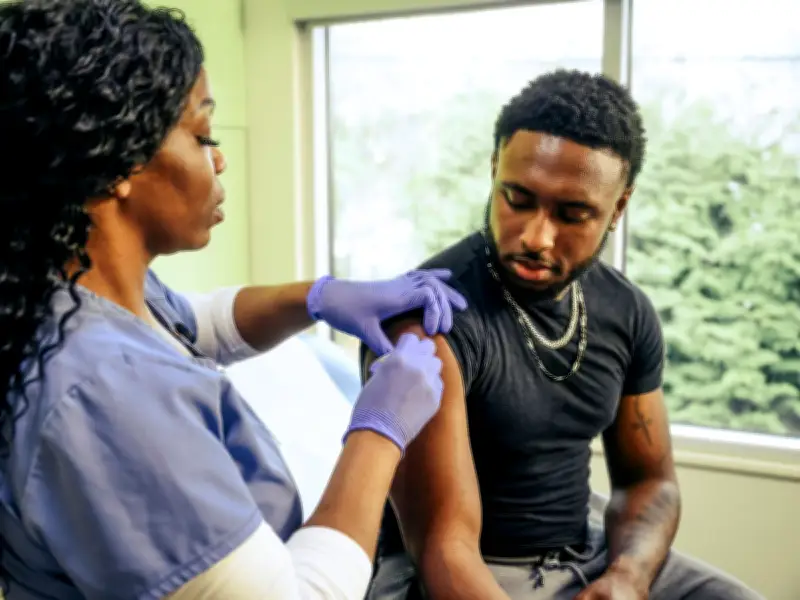
Vaccination is available through sexual health clinics (GUM clinics) for those eligible. Dr Rachel Coyle, Consultant in Health Protection at the PHA, stated: “We want to remind those who are eligible to get vaccinated. Vaccination is available for those eligible in Northern Ireland through sexual health clinics, also known as genitourinary medicine or GUM clinics.” She added that while anyone can catch mpox, the majority of UK cases are in gay, bisexual, and other men who have sex with men (GBMSM).
Transmission and Risks
Mpox spreads through close physical contact with rash, blisters, or scabs, including during sexual contact or skin-to-skin contact. It can also be transmitted via contaminated surfaces like bedding or towels, and through coughs or sneezes from an infected person. The virus is usually mild and resolves in weeks without treatment, but while symptomatic, individuals can pass it to others. Severe symptoms are more likely in older people, young children, and those with weakened immune systems.