NHS bosses have released a list of essential supplies people may wish to stock up on ahead of an expected drop in temperatures.
The Met Office is forecasting a "crispy start" to the weekend and cold spells across the UK, while BBC forecasters have warned tonight (Friday, 20 November) will be the coldest night of the season so far. Northern regions will be hardest hit, with temperatures of minus 1-5C widely expected from the Midlands northward, and in some rural parts of Scotland, where lying snow is already present, the mercury could plunge as low as -10C, according to weather experts.
Seasonal illnesses and health guidance
As winter tightens its grip, seasonal illnesses such as coughs, colds and flu become increasingly prevalent, while plummeting temperatures can also make existing health conditions harder to manage. In response, the Dudley Group NHS Foundation Trust and Sandwell and West Birmingham NHS Trust are sharing practical guidance to help people care for themselves and their loved ones, stay one step ahead of winter bugs, and know where to seek help when needed.
Essential items to keep at home
The Group's Pharmacy team advises keeping the following items to hand:
- Pain relief: Paracetamol or ibuprofen, where suitable, to help manage pain and fever.
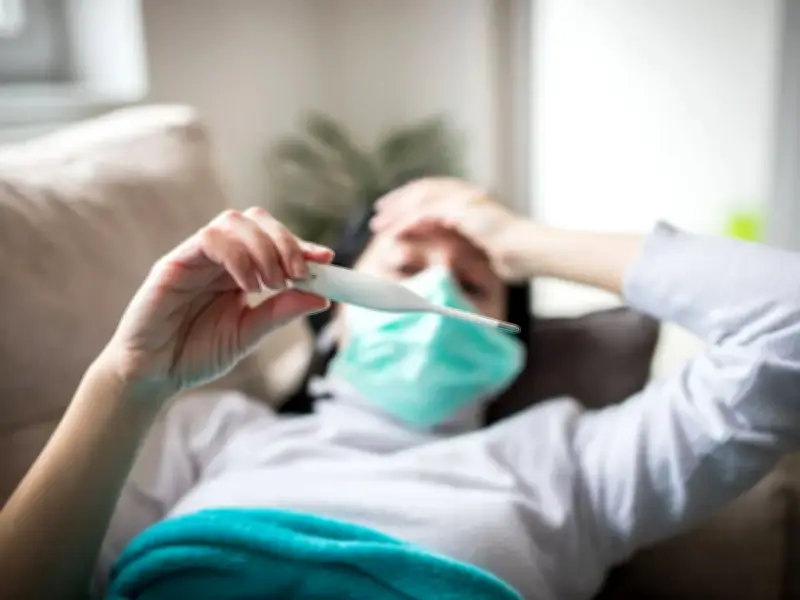
- A thermometer: To check for a high temperature.
- Cold and flu remedies: To help relieve common symptoms.
- Oral rehydration sachets: To help replace fluids and salts lost through diarrhoea or vomiting.
- First aid essentials: Plasters, dressings and antiseptic for minor cuts and injuries.
- Cough remedies and congestion relief: Throat lozenges, and saline nasal sprays.
- Regular prescription medicines: Enough of any medication you rely on to manage an existing health condition. You should usually allow five working days to request your prescription and receive your medicine without running out.
Pharmacist advice on preparation
Ruckie Kahlon, Chief Pharmacist at The Dudley Group said, "Being prepared at home can make a real difference during the winter months. We recommend keeping the essentials in your medicine cabinet so you can manage common illnesses and minor ailments without having to make an unnecessary trip out when the weather is poor."
"It's also important to check you have enough of your regular prescription medicines, particularly if you have a long-term health condition. Don't wait until you're running low before ordering a repeat prescription, as planning ahead can help avoid unnecessary stress and ensure you have the medication you need."
"If you're unsure what to keep at home or which medicines are suitable for you, your local pharmacist can offer advice and help you prepare for the colder months."