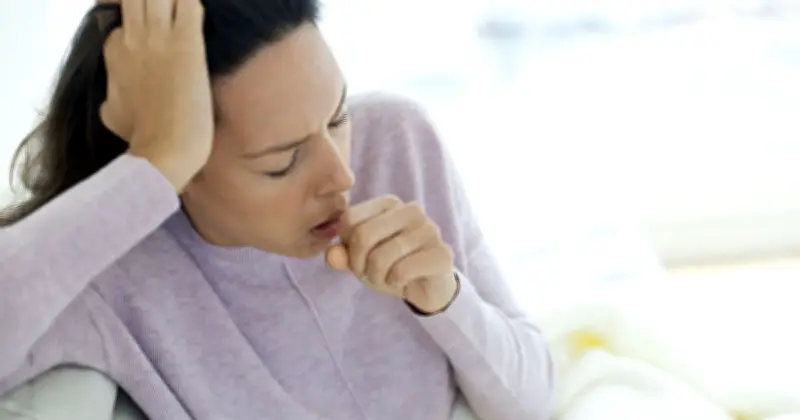
The NHS has issued a reminder that a persistent winter cough could be a sign of chronic obstructive pulmonary disease (COPD), a lung condition that can cause serious breathing difficulties. The health service shared the warning on X on Friday, November 20, noting that cold weather can trigger breathing problems for people with the condition.
What is COPD?
COPD is a lung condition that causes coughing and shortness of breath, with symptoms often developing gradually and worsening over time. It includes conditions such as emphysema and chronic bronchitis, which damage the lungs and make breathing harder.
The NHS lists symptoms including a cough that does not go away and produces mucus, breathlessness during activities that were once manageable, and frequent chest infections. An image in the NHS post asked: "COPD - could your cough or breathlessness be COPD?"
How many people are affected?
COPD affects an estimated 1.7 million people across the UK, according to Asthma + Lung UK. The charity says a further 600,000 people are thought to be living with the condition without a diagnosis.
The NHS advises people not to assume a persistent cough is simply part of winter, particularly if it comes with other symptoms. Guidance says to contact a GP if you have been coughing for three weeks or more, are becoming breathless doing everyday activities, or keep getting chest infections.
Managing COPD in cold weather
Very cold weather can trigger flare-ups of COPD. The NHS also lists chest infections, smoke, strong smells, very hot or windy weather, high pollen, and humidity as possible triggers.
Although COPD cannot currently be cured, treatment is available to help control symptoms. According to the NHS, this may include inhalers to widen the airways, medicines to make mucus easier to cough up, and pulmonary rehabilitation to help people manage their condition.
Anyone with COPD who becomes more breathless than usual should seek an urgent GP appointment or contact NHS 111, the health service says. Severe difficulty breathing, including gasping or being unable to speak, requires an immediate call to 999.