
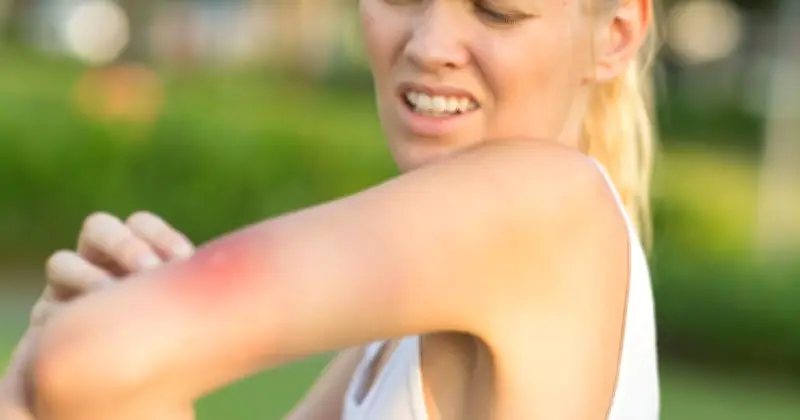
The NHS has issued advice for Brits dealing with insect bites and stings during this week's heatwave, urging people to use an ice pack for at least 10 minutes to reduce swelling and discomfort. With temperatures forecast to soar towards 38C across parts of the UK, health experts warn that more people are likely to spend time outdoors, increasing the risk of bites and stings from insects including mosquitoes, wasps, bees, and horseflies.
Simple Steps to Ease Symptoms
While most insect bites are harmless and improve within a few days, the NHS recommends several simple steps people can take at home to ease symptoms and avoid unnecessary trips to urgent treatment centres. Among the key recommendations is applying a cold compress or ice pack to the affected area for at least 10 minutes to help bring down swelling. People are also advised to wash the area with soap and water, remove any sting still lodged in the skin, and avoid scratching the bite.
Susan Bracefield, chief nursing officer at NHS Cornwall and Isles of Scilly, said: "If you are suffering, in most cases there are simple things you can do at home to ease your symptoms. It is very rare for bites and stings to be serious, but it's a good idea to know how to help yourself and when to seek medical assistance." She added: "And remember, prevention is always better than cure. So if you're going to be outside, apply insect repellent and cover up to protect yourself."
Over-the-Counter Treatments and Home Remedies
The NHS says over-the-counter treatments may also help. Pharmacists can advise on antihistamines for itching, painkillers such as paracetamol or ibuprofen for discomfort, and creams designed to soothe irritated skin. Experts have also warned against relying on traditional home remedies. According to the NHS, treatments such as vinegar and bicarbonate of soda are unlikely to provide any significant benefit for insect bites or stings.
The health service has also reminded the public to remain vigilant for ticks, particularly when walking through long grass, woodland, or countryside areas. Ticks can carry Lyme disease and should be removed as quickly as possible using a specialist tick-removal tool or fine-tipped tweezers. People are advised to grip the tick as close to the skin as possible and pull it upwards slowly without crushing it before cleaning the area thoroughly.
When to Seek Medical Help
While most bites and stings can be managed at home, the NHS says medical advice should be sought if symptoms worsen or fail to improve after several days. People should also contact NHS 111 or their GP if they are bitten near the eyes, mouth, or throat, develop a large swollen area around the bite, notice signs of infection such as pus, or experience flu-like symptoms. In more serious cases, emergency help may be needed. The NHS says anyone experiencing symptoms of a severe allergic reaction should call 999 immediately. Warning signs include difficulty breathing, wheezing, swelling of the face, mouth, or throat, dizziness, difficulty swallowing, a rapid heartbeat, or loss of consciousness.
With Britain braced for one of the hottest spells of the year, health officials are urging people to take precautions when spending time outdoors and to know how to treat bites and stings safely if they occur.




