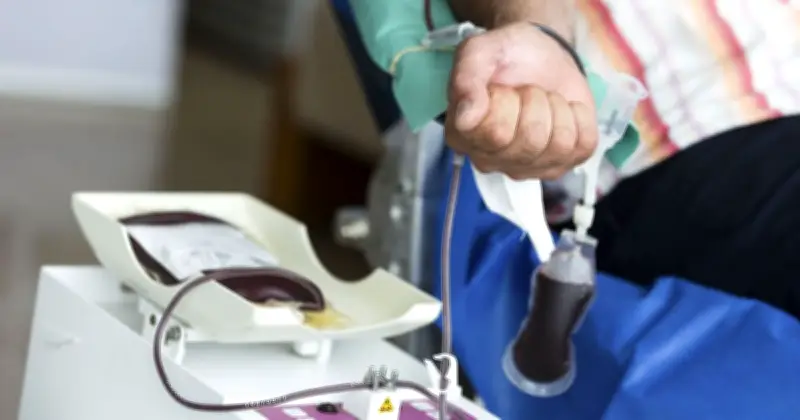
NHS Blood and Transplant (NHSBT) has launched an urgent appeal after stocks of several essential blood types fell significantly below usual levels, with reserves of O negative blood now at just two to three days' worth against a normal target of six days.
The organisation is particularly keen to recruit donors with O negative, B negative and O positive blood, as well as those with the Ro subtype. Black donors are also being encouraged to come forward, as their donations play an important role in supporting people receiving treatment for sickle cell disease.
Winter pressures and daily demand
The appeal comes as hospitals brace for additional pressures over winter, when seasonal illnesses can prevent regular donors from attending appointments. Approximately 5,000 donations are required across the UK every day to maintain sufficient supplies for patients needing potentially lifesaving treatment.
Donated blood is used in a wide range of medical procedures, including operations and transfusions for people with cancer, anaemia and other blood disorders. NHSBT has revealed that reserves of certain blood groups have fallen to around half the levels it would normally aim to hold.
Official plea and appointment availability
Gerry Gogarty, director of blood and plasma supply at NHSBT, said: "Right now, as we move into winter, there is an urgent need to boost our life-saving blood, platelet and plasma supplies. With patients reliant on regular transfusions, particularly vulnerable to colds and respiratory illnesses, it is vital that we stay well stocked, to ensure the blood is always there when it is needed."
"If you are able to donate, please book an appointment to ensure we have enough blood over the busy time ahead." There are currently 150,000 blood donation appointments available between now and the end of December, with NHSBT hoping both first-time and returning donors will help replenish stocks.
Specific donor targets and shelf life
In England, the organisation estimates it needs another 10,000 eligible O negative donors, 2,400 B negative donors and 16,000 O positive donors to meet expected requirements. O negative is especially valuable in emergency situations because it can be transfused to patients regardless of their blood group when an immediate transfusion is required.
Maintaining a steady supply is particularly challenging because donated blood cannot be stored indefinitely. Red blood cells have a shelf life of 35 days, while platelets must be used within seven days.
Scotland alert and wider efforts
Concerns about dwindling reserves have also emerged in Scotland, where the Scottish National Blood Transfusion Service issued its first amber alert for O blood groups earlier in November. Officials described supplies as having reached "unprecedented low levels", following months of increased demand and insufficient donations.
NHSBT has advised prospective donors to continue checking its booking system if they cannot initially find a suitable appointment, as cancellations may create additional availability. Larger donation centres in towns and cities may offer more appointment options, particularly for people donating for the first time. Employers are also being asked to support the campaign by giving staff opportunities to donate during the working day.
NHSBT research suggests 43 per cent of donors would be more inclined to give blood if their workplace allowed time off, increasing to 65 per cent among those aged between 25 and 44. A typical donation appointment lasts approximately an hour, and a single donation could help save as many as three lives.
The organisation is also seeking more plasma donors to support the manufacture of medicines used to treat serious illnesses. Plasma accounts for around 55 per cent of human blood and can be obtained through both whole-blood donations and dedicated plasma appointments. Anyone interested in donating can check their eligibility and arrange an appointment through the NHS Give Blood service.