
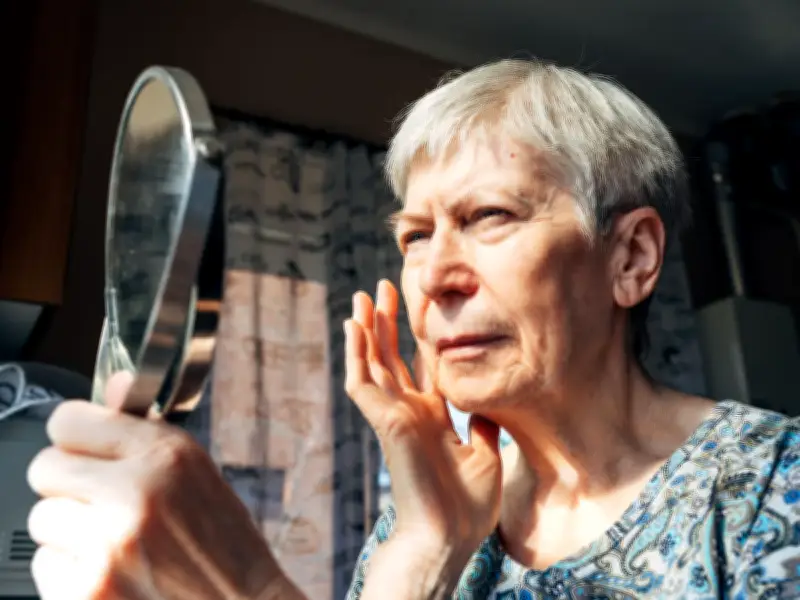
The National Health Service (NHS) has issued a summer alert urging Britons to monitor their skin for potential signs of melanoma using a simple alphabetical checklist. The ABCDE method—standing for Asymmetry, Border, Colour, Diameter, and Evolving—is designed to help individuals identify suspicious moles that could indicate skin cancer.
Melanoma: A Growing Concern in the UK
According to Cancer Research UK, melanoma skin cancer ranks as the fifth most common cancer in the country, representing five per cent of all new cancer diagnoses. It is also the 19th leading cause of cancer death, accounting for two per cent of UK cancer mortality. Melanoma develops when ultraviolet (UV) light from the sun or artificial sources like sunbeds damages skin cells, leading to uncontrolled growth. While older adults are more frequently affected, younger individuals are also at risk.
The ABCDE Method Explained
The NHS shared the checklist on social media platform X, stating: “Use the ABCDE list to help check existing or new moles and spot the warning signs of skin cancer. If you spot any changes that you think could be cancer, contact your GP.” The acronym guides users to look for moles that are:
- Asymmetrical – uneven shape
- Border – ragged or blurred edges
- Colours – multiple shades or uneven colour
- Diameter – larger than 6 millimetres (about the size of a pencil eraser)
- Evolving – changes in size, shape, or colour over time
Additional Warning Signs
Beyond the ABCDE criteria, the NHS advises seeking medical attention if a mole becomes swollen, sore, itchy, or crusty, or if it bleeds. Other red flags include a new or unusual mark on the skin that persists for several weeks, or a dark area under a nail not caused by injury. The health body recommends contacting a GP if any of these symptoms appear.
Sun Safety Recommendations
To lower the risk of developing skin cancer—both melanoma and non-melanoma types—the NHS emphasises sun protection. Key measures include:
- Avoiding sun exposure between 11am and 3pm, the hottest part of the day in the UK
- Covering arms and legs with clothing, and wearing a wide-brimmed hat and UV-protective sunglasses
- Applying sunscreen with at least SPF 30 and four-star UVA protection, reapplied regularly
- Ensuring babies and children, whose skin is more sensitive, are protected from the sun
Early detection remains critical: the sooner melanoma is identified, the more effective treatment can be. The NHS encourages everyone to perform regular skin checks and consult a healthcare professional if any changes are noticed.




