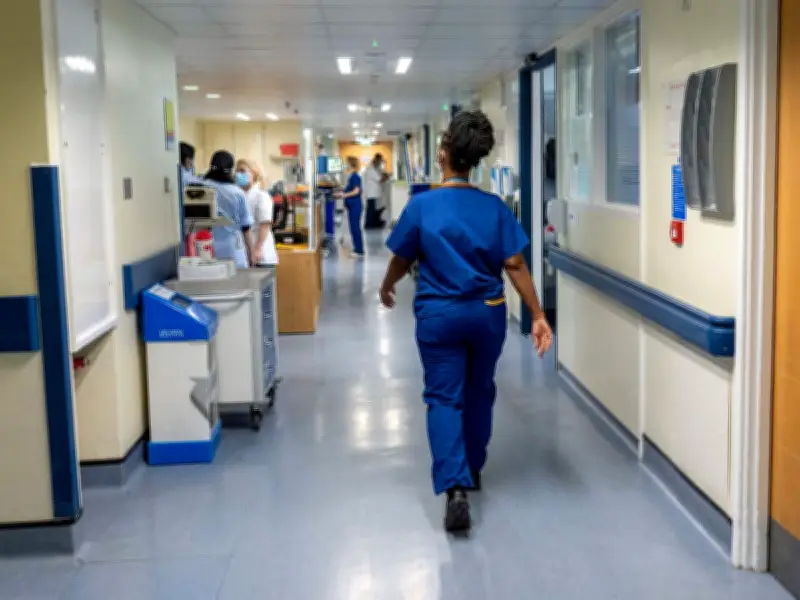
A physician has warned that conditions are awful at NHS hospitals due to overcrowding amid this week's record-breaking heatwave, with staff really struggling in the heat. The warning comes as large parts of the UK remain under a rare red heat warning issued by the Met Office, with other areas, including Greater Manchester, under an amber extreme heat warning.
Record-Breaking Temperatures and Health Alerts
The Met Office provisionally recorded its hottest ever June day on Wednesday (June 24), peaking at 36.1C in Gosport, Hampshire, smashing the previous record set in the summer of 1976. The UK Health Security Agency (UKHSA) has also issued both red and amber heat-health alerts across England, which remain in place until Friday evening (June 26) and warn of impacts to health and social care services and a risk to life to the population.
Doctors Report Severe Pressure and Infrastructure Failures
The Royal College of Physicians (RCP) said doctors have described severe, unsustainable pressure on the workforce throughout the heatwave. Very few settings have air conditioning, with staff and resident doctors battling the heat while sleep-deprived. The RCP also said there have been reports of patients on geriatric wards facing temperatures of up to 35C, and one physician said their care setting is unfit to cope with the heat.
Dr Hilary Williams, RCP clinical vice-president, said: "This week, physician colleagues across the country have told us the significant impact the heat is having on them, their patients and their teams. There are reports of older patients arriving at hospital having collapsed or with dehydration. Patients are facing overcrowding, and there are issues with machines, laboratories and kidney dialysis – all fundamental to providing safe patient care. The impact of heatwaves on staff cannot be overstated. There is a sense of foreboding when we see the weather forecast, because we know what is to come, and there is very little staff can do."
One physician said their hospital had called a critical incident due to multiple areas with machine problems, the RCP added. Testing laboratories were in difficulty, and two linear accelerator machines used to treat cancer had stopped due to the heat. These were working in a relatively new care setting tacked on to an old Victorian hospital, creating further infrastructure challenges. They also faced major issues with their IT servers because of the temperatures, saying: "We thought we were going to lose everything, so we were all asked to turn off non-essential computers and electrical equipment, including lights."
Another physician said: "Lots of people, especially older patients, are turning up having collapsed or with dehydration. In terms of inpatients, the conditions are awful due to overcrowding. Very few places have air conditioning and staff are really struggling."
NHS Trusts Implement Special Measures
NHS trusts across Greater Manchester have implemented special measures to keep patients and staff safe, as one hospital reports an extremely busy emergency department. The Royal Bolton Hospital said it is facing a growing number of patients presenting with heat-related issues and urged patients whose health problem isn't considered an emergency to come back at another time. The country's largest NHS trust, Manchester University NHS Foundation Trust (MFT), said it isn't facing increased pressures due to the heatwave or seeing a higher number of heat-related emergency cases, but has implemented welfare protocols across its hospitals to keep patients and staff safe.
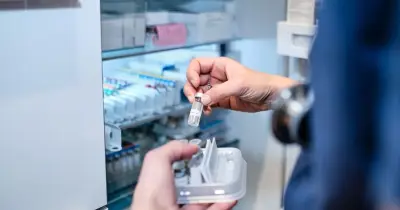
The trust, which runs some of the region's biggest hospitals including Manchester Royal Infirmary, Wythenshawe Hospital, North Manchester General Hospital, Saint Mary's Hospital, and Royal Manchester Children's Hospital, said it has stepped up its hot-weather response, activating local business continuity plans and asking staff to check regularly on patients and service users most vulnerable to heat. It is also monitoring indoor temperatures and keeping designated areas below 26C to provide cool spaces, while reviewing medicine storage requirements. Teams are checking cold-storage capacity for water and ice, carrying out hydration and wellbeing checks in clinical areas, and reviewing staffing levels as demand for care can rise in high temperatures.
Call for System-Level Change
Despite the steps taken to protect patients, Dr Williams called for system-level change to upgrade buildings to withstand extreme heat. She added: "As clinicians, there are immediate steps we can take to protect patients, such as reviewing medications that affect hydration and ensuring they are stored appropriately. But this must be matched by system-level change – strengthening infrastructure and embedding resilience into NHS reform. Buildings must be upgraded to withstand extreme heat and other climate risks. Hospitals should be places of safety, not settings where extreme heat puts patients and staff at risk."