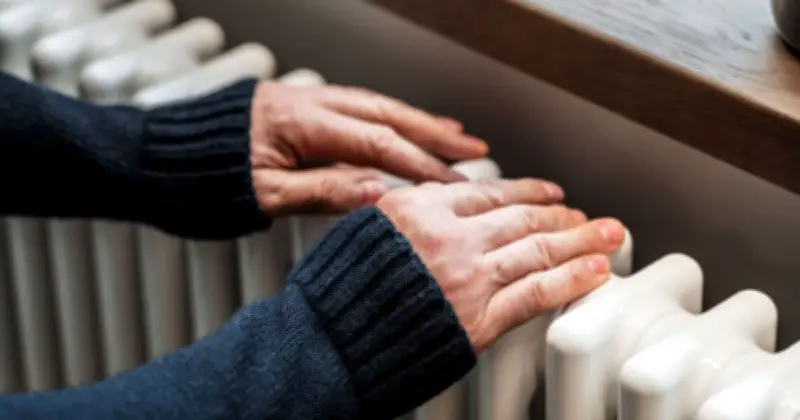
The NHS has advised older people aged over 65 to set their heating to a minimum of 18C this winter, with temperatures up to 21C potentially beneficial, to protect health while keeping energy bills as low as possible.
The guidance, outlined in a paper titled 'Minimum temperature threshold for homes in winter', follows an Ofgem price rise of 4% for gas and electricity in October. Forecasts suggest January bills could rise by as much as 26%, equating to a £443 a year increase for a typical household, though this is an average illustration and actual costs vary with usage.
Health risks of cold homes
The NHS paper states that cold weather is associated not only with an increase in deaths but also has a significant impact on morbidity. It highlights that vulnerable groups, including older people, children and those with chronic illnesses such as cardiorespiratory disease, are particularly at risk from cold temperatures.
According to the paper, older people may not always perceive cold temperatures because of physiological changes that occur with ageing, making them less likely to respond appropriately in dangerously cold environments. This is why indoor temperature recommendations for homes are considered important to protect and improve health and wellbeing.
Evidence on minimum temperatures
The guidance notes that cold homes are an important cause of excess winter mortality and morbidity. One study showed that residents of the 25% coldest homes have around a 20% greater risk of dying during the winter months than those in the warmest homes.
In a review of studies, the NHS found that indoor temperatures of at least 18C pose minimal risk to the health of a sedentary person wearing suitable clothing. Below 18C, negative health effects may occur, such as increases in blood pressure and the risk of blood clots, which can lead to strokes and heart attacks.
Higher temperatures for older people
The review found evidence from a small number of epidemiological studies suggesting an association between raised blood pressure and exposure to indoor temperatures of around 18C or colder. World Health Organisation (WHO) guidance recommends an indoor temperature of 18C, but a temperature 2-3C warmer in rooms occupied by older people to account for their more sedentary lifestyle.
While the review failed to find hard evidence that temperature thresholds above 18C are required for older people, it noted that older people have weaker thermoregulatory systems, more profound physiological responses to cold, and are less able to detect cold or falling temperatures. The NHS added that emphasis should be placed on keeping the homes of vulnerable people to at least 18C, but temperatures up to 21C may be beneficial, while younger healthy adults may wish to keep indoor temperatures at levels at which they are comfortable, even if lower than this threshold.