
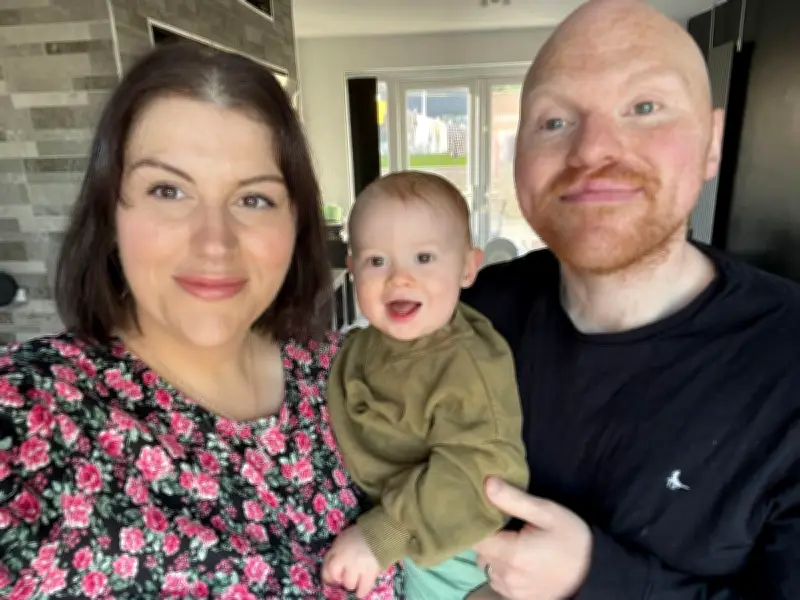
Jorden and Vicky Eadon-Guest's joy at the birth of their daughter Isla quickly turned to fear when Vicky was left bleeding and ignored overnight at Worcestershire Royal Hospital. Despite repeatedly buzzing for help, she was only answered once. The next morning, she was discharged without pain relief, only to be readmitted days later with a severe infection and internal bleeding. "Had they just done a blood test Vicky would never have been as severely unwell as she was," Jorden said.
Damning Reports Expose Systemic Failures
Two recent reports highlight growing concerns about NHS maternity services. The Ockenden Maternity Review into Nottingham University Hospitals NHS Trust revealed over 500 babies and mothers died or suffered avoidable harm in the biggest maternity scandal in NHS history. Meanwhile, Baroness Amos's maternity inquiry, based on evidence from The Dad Shift, found staffing pressures and shortages endangering women and babies. The inquiry examined 10,000 pieces of evidence across 12 NHS trusts, speaking to 450 families and 38 hospital executives.
Vicky and Jorden were among hundreds of parents who gave evidence for the Amos inquiry. The Dad Shift reported that hundreds of parents described failings that denied mothers support from partners during critical stages of childbirth and aftercare.
Partners' Concerns Dismissed
Rose Keeler-Schaffeler, 33, from South London, said she felt coerced into a C-section at King's College Hospital. "They said I had to have a C-section or my baby would be in danger. When we asked to look at our notes after, that wasn't the case. I was basically coerced," she said. After the birth, she was left in bloody sheets and was shouted at by a healthcare assistant when she took fresh sheets from an empty bed.
Nathan, 34, and his wife Megan Barnes, 31, had their son Phoenix at Leeds General Infirmary. After an emergency C-section, both mother and baby contracted life-threatening infections. Nathan described a midwife trying to attach an electrode through Megan's cervix despite his protests: "It felt brutal. Twice I watched my wife collapse and didn't know if she and our son were going to die."
Discrimination Embedded in System
Baroness Amos's report highlighted discrimination against people of colour, people with disabilities, and LGBTQ+ families. Laura-Rose Thorogood, CEO of Make Birth Better and LGBT Mummies, said: "People are experiencing micro-aggressions, unconscious and conscious bias, during what should be a really special time."
Alex Lloyd Hunter, co-founder of The Dad Shift, said involving partners more fully could ease pressure on maternity services: "The way they are run means a lot of partners are being told we are not needed. This impacts not just women but also future relationships."
Hospital Responses and Government Action
Dr Elizabeth Garthwaite, interim chief medical officer at Leeds Teaching Hospitals NHS Trust, apologised to Megan and her family, stating: "We recognise they did not receive the high standard of care they deserved." A King's College Hospital spokesperson apologised to Ms Keeler-Schaffeler, acknowledging that aspects of her care "fell far below the high standards we set ourselves." Dr Baylon Kamalarajan of Worcestershire Acute Hospitals NHS Trust said the trust could not comment on individual cases but apologised if care fell short.
The government responded by announcing the first ever maternity commissioner, a national action plan by Christmas, and a £41 million investment to improve safety. However, parents like Nathan worry this is insufficient: "A maternity commissioner can’t tackle all of this." Rose added: "Birth trauma should be prevented, not managed afterwards."




