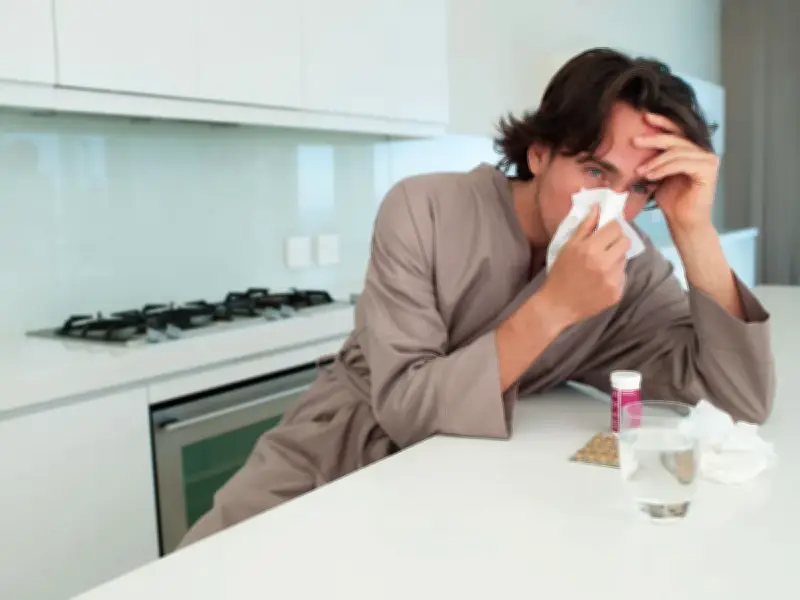
With flu season underway and cases of winter bugs on the rise, the NHS has set out four urgent steps to take if flu symptoms appear. The advice comes as more time spent indoors in cold weather is likely to drive infection rates up, since flu spreads easily in enclosed spaces and thrives in cold, dry air.
Four steps to treat flu at home
In a post on Instagram, the Royal Free London hospital said: "Got flu symptoms? Try these to help treat yourself at home. Rest. Take paracetamol. Drink plenty of water and speak to a pharmacist if things get worse."
The NHS hospital also noted that flu will often get better on its own, but it can make some people seriously ill.
How to avoid the flu
Key actions to avoid the virus include getting the annual flu vaccine, described as the single most important and effective way to protect yourself during autumn and winter. In the UK, the flu vaccine is updated every year to match circulating strains and helps reduce both the risk of catching the virus and the severity of illness if you do get sick.
Good hygiene is also crucial, including washing hands often with soap for at least 20 seconds. Since germs from surfaces easily transfer to hands, avoiding touching your face is recommended. Keeping distance from anyone showing respiratory symptoms or fever is another key step, as is regularly cleaning and sanitising high-contact items such as doorknobs, phones, keyboards and shared household counters.
Supporting the immune system through 7 to 8 hours of sleep per night, a balanced diet, staying hydrated and managing stress can also help.
What are the symptoms of the flu?
According to the NHS, flu symptoms can come on very quickly and may include a sudden high temperature, an aching body, tiredness or exhaustion, a dry cough and sore throat, headache, loss of appetite and difficulty sleeping.
Rest and sleep are vital to allow recovery from the virus. Paracetamol or ibuprofen can be taken to lower temperature and treat aches and pains, and drinking plenty of water helps avoid dehydration. For children, paracetamol or ibuprofen can be given if they are distressed or uncomfortable, but the packaging or leaflet should be checked to make sure it is suitable for their age, or a pharmacist or GP should be consulted if unsure. Aspirin should never be given to children under the age of 16.
For more advice, people can call 111 for help.