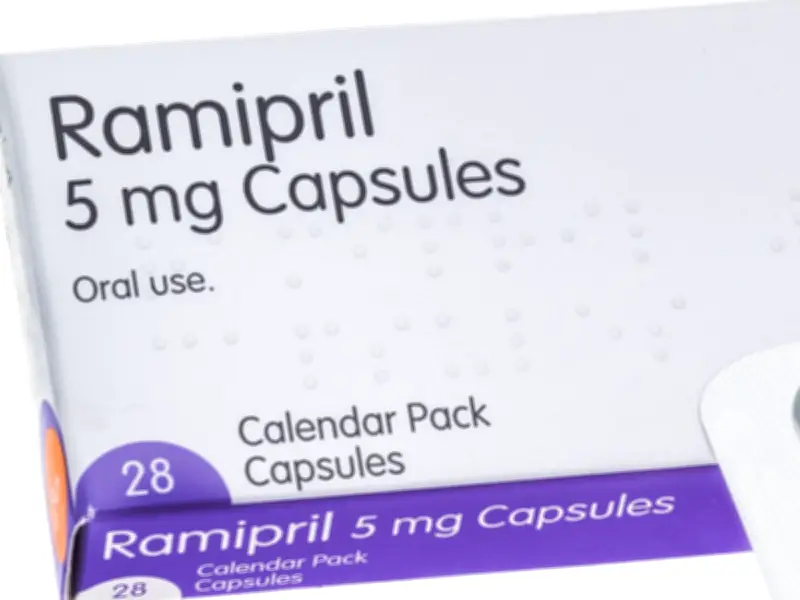
Dr Amir Khan has issued a new warning to anyone prescribed ramipril and amlodipine for their blood pressure. The NHS GP appeared on ITV's Lorraine to discuss what people taking the medication must be aware of, including side effects, and shared a clip from the episode on his Instagram account today (August 5).
Common side effects explained
He told his followers: "If you're on blood pressure tablets: watch this". In the caption, he added: "Blood pressure medication is lifesaving for so many people - but common blood pressure tablets like ramipril and amlodipine do have side effects, which either mean people suffer in silence or stop taking them altogether."
He continued: "But we have plenty of alternatives - so if that’s you, please discuss with your local pharmacist or GP who can help." In the clip, Dr Amir Khan says that the two most common blood pressure tablets are ramipril and amlodipine.
Ramipril and dry cough
The health expert said ramipril works by influencing enzymes in the kidneys to lower blood pressure. But he says it also releases something called bradykinin, which can irritate your airways and cause a dry cough.
"Lots of people get put on antibiotics and get sent for chest X-rays, and nothing gets found," Dr Amir Khan explained. "It's the ramipril. There are lots of alternatives."
Amlodipine and swollen ankles
As for amlodipine, Dr Amir Khan warned about its potential effects on some users. He said: "The way [amlodipine] works is by widening your blood vessels and allowing some leakage of fluid into your ankles - you get swollen ankles."
He said this is "very common" and can effect "one in five people". He went on to reiterate: "So, again, lots of alternatives to blood pressure tablets, we've got different options. If you're suffering with swollen ankles or a dry, irritating cough, it could be your blood pressure tablets. Speak to your doctor. Plenty of alternatives."
Patient experiences
In the comment section, one viewer claimed: "Amdopipine can also cause drug induced hyperplasia in your gums as a side effect so make sure you have healthy ones before starting this medication to limit risk of this occurrence." Another shared: "My husband couldn’t tolerate ramipril or amlodipine (swollen ankles) currently takes losartan (ARBs). BP Perfect."
Always speak to your doctor if you have any issues or concerns with your prescribed medication. If the side effects are bothering you, there are likely other options to consider instead.
High blood pressure prevalence
Around one in three adults in the UK, which is about 14 to 16 million people, suffer from high blood pressure. Among this group, around five to six million are unaware that they have high blood pressure, as they have not been diagnosed, as it usually shows no symptoms at all.
Common side effects of ramipril
The NHS says a dry, persistent cough that does not get better is a side effect of ramipril. It says: "Cough medicines do not usually help for coughs caused by ramipril. Sometimes the cough gets better on its own if you keep taking ramipril."
These common side effects of ramipril happen in more than one in 100 people. There are things you can do to help cope with them:
- Feeling dizzy or lightheaded, especially when you stand up or sit up quickly
- Headaches
- Diarrhoea
- Being sick
- A mild skin rash
The NHS adds: "Talk to your doctor if it carries on, bothers you or stops you sleeping, as another medicine may be better... Like all medicines, amlodipine can cause side effects, although not everyone gets them. Some side effects should ease after a week or so as your body gets used to the medicine, but others can last longer."
Common side effects of amlodipine
- swelling in your ankles, feet and legs
- headaches, dizziness and feeling sleepy
- a fast heartbeat, or feeling like your heartbeat is more noticeable (palpitations)
- a red and warm face or neck
- tummy pain and feeling sick
- constipation or diarrhoea
- feeling weak and tired
If you feel dizzy or sleepy after taking amlodipine, do not drive, ride a bike, or use machinery until these symptoms have passed. You can report any suspected side effect using the Yellow Card safety scheme. Visit the Yellow Card website for more information about reporting side effects.