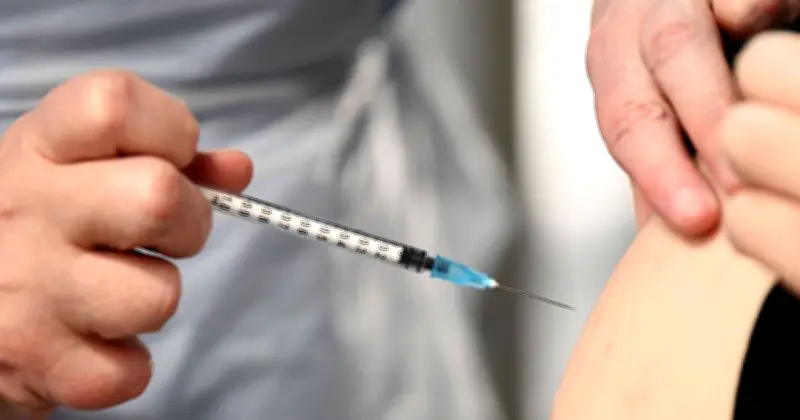
NHS England and the UK Health Security Agency (UKHSA) are continuing a major vaccine rollout for older adults in October to protect against Respiratory Syncytial Virus (RSV). The NHS RSV vaccination programme began on September 1 and this year has been expanded to include adults aged 65 to 74 years in certain clinical at-risk groups.
Eligibility expansion
The RSV vaccine has been routinely available to older adults as they turn 75 since September 2024 and was later extended to include all adults aged 80 and over, as well as all residents in care homes in April 2026. Following advice from the Joint Committee on Vaccination and Immunisation (JCVI), a further expansion this year has extended the eligibility criteria even further to include adults aged 65 to 74 years.
NHS England and the UKHSA confirmed the RSV vaccine expansion back in July, stating that GPs will offer the jab to those who are eligible from September 1, meaning the rollout is now underway.
Who can get the vaccine
RSV is a common cause of coughs and colds and while it usually gets better by itself, it can cause severe illness for babies and older adults over the age of 75. Those infected with RSV typically experience cold-like symptoms including a runny or blocked nose, a cough, sneezing, tiredness and a high temperature, but it can also lead to more serious infections like pneumonia or bronchiolitis.
The RSV vaccination is available on the NHS for free to eligible groups, which can help reduce the risk of becoming seriously ill from the infection. You can currently get the jab if you are 28 weeks pregnant or more, aged 75 or over, or live in a care home for older adults.
As of September 1, 2026, adults aged 65 to 74 in either of the following clinical at-risk groups will become eligible to get the RSV vaccine:
- Chronic respiratory disease including those with poorly controlled asthma, chronic obstructive pulmonary disease (COPD) including chronic bronchitis and emphysema, bronchiectasis, cystic fibrosis, interstitial lung fibrosis, pneumoconiosis, and bronchopulmonary dysplasia.
- Immunosuppression due to disease or treatment.
Programme details
Confirming the expansion in a letter in July, Caroline Temmink, director of vaccination at NHS England, and Dr Mary Ramsay CBE, director of public health programmes (including immunisation) at the UKHSA, said: “From 1 September 2026, the eligibility criteria will be expanded further to include adults aged 65 to 74 years in certain clinical at risk groups as advised by the Joint Committee on Vaccination and Immunisation (JCVI).”
The pair set out key points about the programme, including that the vaccine used will continue to be Abrysvo® (Pfizer pre-F vaccine) on a one-dose schedule. Adults who receive the vaccine from September 1, 2026 because they are aged 65 to 74 and in a clinical risk group should not be invited for a further dose of Abrysvo® when they become 75 years old.
RSV vaccines can be administered at any time and offers of vaccination should continue throughout the year. RSV vaccination should not be routinely scheduled with influenza vaccination but can be co-administered with the COVID-19 vaccine. GP providers are expected to deliver a 100% offer to eligible groups, with call and recall delivered at the earliest opportunity. Where community pharmacies have been commissioned to support the older adults RSV programme, an updated enhanced service specification will be issued ahead of September 1, and commissioned community pharmacies will be invited by regions to enter a contract variation.
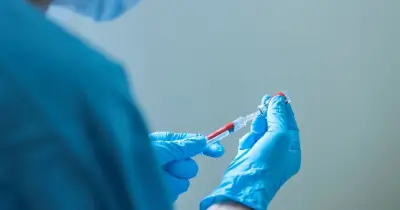
If you are aged 65 to 74 and have a weakened immune system or long-term lung conditions, your GP surgery will contact you about getting the RSV vaccine, usually by letter, phone call or email. The vaccine is given as an injection in your upper arm and older adults only need one dose, which should protect them for several years, according to the NHS.