
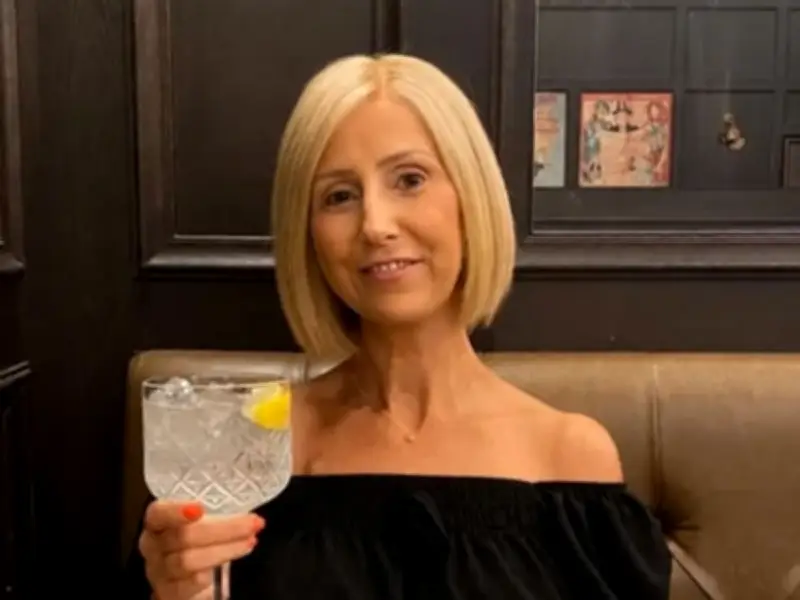
A mother from Greater Manchester diagnosed with incurable breast cancer has spoken of how an NHS-funded drug has given her precious extra years with her family. The woman, who wishes to remain anonymous, was diagnosed with secondary breast cancer in 2019, which had spread to her bones. She was told the disease was incurable but that treatment could prolong her life.
She was prescribed palbociclib, a targeted cancer drug, in combination with hormone therapy. The drug, which costs around £3,000 per month, has been available on the NHS since 2017 for certain patients with advanced breast cancer. The mother said the treatment has allowed her to see her children grow up and has given her a better quality of life than she expected.
Impact of Targeted Therapy
Palbociclib works by blocking enzymes that help cancer cells grow and divide. It is used for patients with hormone receptor-positive, HER2-negative advanced breast cancer, which is the most common type. According to NHS data, around 11,500 women in England are diagnosed with secondary breast cancer each year, and targeted therapies like palbociclib have improved survival rates.
The mother told the Manchester Evening News: "When I was first diagnosed, I thought I had months to live. But thanks to this drug, I've had years. I've seen my daughter start school and my son take his first steps. It's given me time I never thought I'd have." She added that the side effects, including fatigue and nausea, are manageable compared to the alternative.
NHS Commitment to Innovative Treatments
The NHS has been expanding access to targeted cancer drugs through its Cancer Drugs Fund, which fast-tracks promising treatments. Palbociclib was one of the first drugs approved through this fund. A spokesperson for the NHS said: "We are committed to providing patients with the most effective treatments available. Drugs like palbociclib are transforming the lives of people with advanced breast cancer, giving them more time with their loved ones."
Cancer Research UK notes that targeted therapies have significantly improved outcomes for many patients, but they are not suitable for everyone. The charity emphasizes the importance of ongoing research to develop new treatments and identify which patients will benefit most.
Patient Perspective and Future Hopes
The mother now advocates for greater awareness of secondary breast cancer symptoms and the importance of early detection. She hopes that more drugs will become available to help others in her situation. "Every extra day with my family is a gift," she said. "I want others to have that chance too."
Her story highlights the real-world impact of NHS-funded cancer drugs, offering hope to thousands of patients facing a similar diagnosis. The NHS continues to review new treatments, with several other targeted therapies currently being assessed for use.




